




















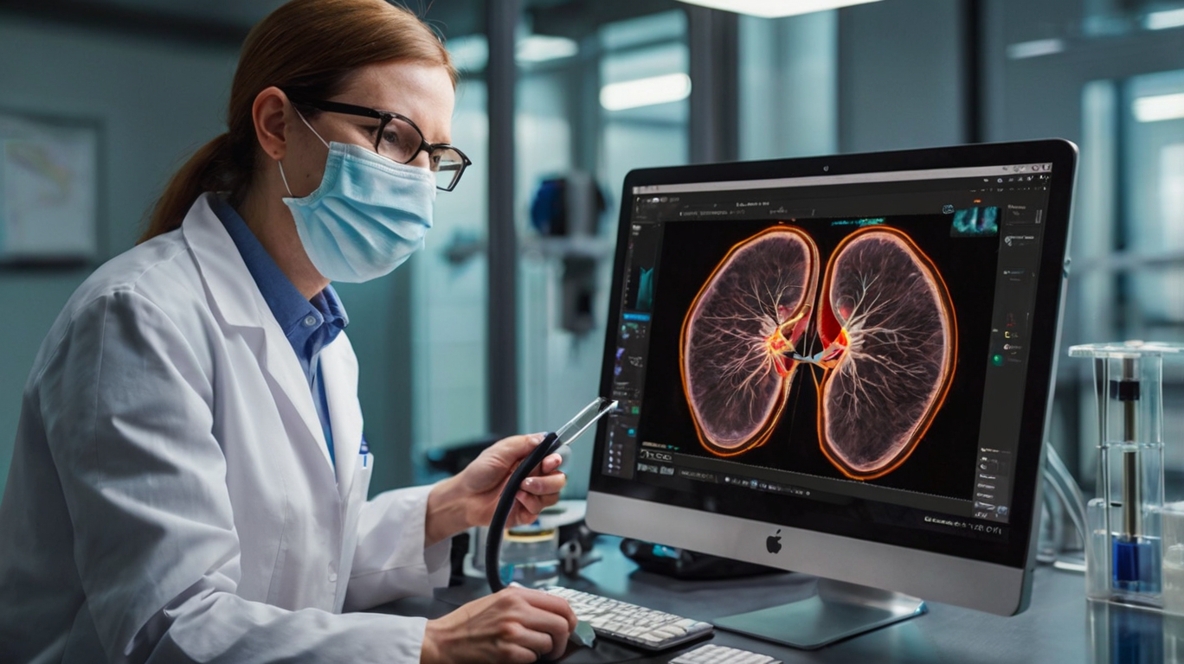
In recent years, CRISPR has emerged as one of the most powerful and transformative technologies in the field of medicine. This groundbreaking gene-editing tool has not only changed the way scientists approach genetic diseases but is also revolutionizing medicine as we know it. As we move into 2024, CRISPR technology continues to advance at an extraordinary pace, bringing us closer to curing previously untreatable genetic conditions, personalizing medical treatments, and enhancing human health in ways once considered science fiction.
In this article, we’ll explore how CRISPR gene editing is shaping the future of medicine and the potential breakthroughs we can expect to see in 2024 and beyond.
1. What is CRISPR and How Does It Work?
Before diving into its medical applications, it’s essential to understand how CRISPR works. CRISPR stands for Clustered Regularly Interspaced Short Palindromic Repeats, a natural defense mechanism found in bacteria. In 2012, scientists Jennifer Doudna and Emmanuelle Charpentier developed a revolutionary tool that allows scientists to precisely cut and edit DNA within living organisms. This technology uses a protein called Cas9, which acts like molecular scissors to cut specific sections of DNA, allowing for the addition, deletion, or modification of genes.
What makes CRISPR so powerful is its precision and efficiency. Unlike earlier gene-editing methods, CRISPR can target and alter genes with unparalleled accuracy, opening up a wide range of possibilities in genetic research and medical applications.
2. CRISPR in Medicine: A Game Changer for Genetic Diseases
One of the most exciting applications of CRISPR is its potential to treat genetic diseases, many of which were once considered incurable. With CRISPR, scientists can edit the genetic code responsible for conditions like sickle cell anemia, muscular dystrophy, and cystic fibrosis, offering the possibility of permanent cures.
Key CRISPR Breakthroughs in Medicine:
- Sickle Cell Anemia: In 2024, several clinical trials using CRISPR to treat sickle cell anemia are showing promising results. By editing the gene responsible for producing abnormal hemoglobin, researchers have been able to help patients produce healthy red blood cells, potentially curing the disease.
- Cystic Fibrosis: For patients with cystic fibrosis, CRISPR is being used to correct the mutations in the CFTR gene that cause respiratory and digestive issues. Early-stage trials have demonstrated the potential of CRISPR to restore normal function to these genes.
- Muscular Dystrophy: Scientists are also experimenting with CRISPR to treat Duchenne muscular dystrophy, a genetic disorder that causes progressive muscle weakness. By targeting the gene responsible for muscle degeneration, CRISPR is being explored as a method to halt or reverse the disease’s progression.
These advancements represent just the beginning. As CRISPR technology continues to evolve, more genetic diseases could be targeted and cured, potentially saving millions of lives.
3. Personalized Medicine: The Future of Tailored Treatments
One of the most promising aspects of CRISPR in medicine is its potential to usher in the era of personalized medicine. With genetic editing, doctors could tailor treatments specifically to an individual’s genetic makeup, enhancing their effectiveness and minimizing side effects.
For example, CRISPR could be used to modify immune cells in cancer patients to make them more effective at targeting and destroying cancer cells. This approach, known as CAR-T therapy, has already shown significant success in treating certain cancers. However, CRISPR is now being used to improve and expand this technology by making the process more efficient and adaptable to a wider range of cancers.
Key Applications of CRISPR in Personalized Medicine:
- Customized Cancer Treatments: CRISPR is enabling the development of personalized cancer therapies that modify a patient’s immune system to specifically target cancer cells.
- Gene Therapy for Rare Diseases: For individuals with rare genetic disorders, CRISPR could offer the chance for personalized gene therapy that addresses the root cause of the disease, rather than just alleviating symptoms.
- Drug Development: CRISPR is also being used to accelerate drug discovery by enabling the creation of humanized models of diseases, allowing researchers to test the effects of potential treatments on genetically modified cells that closely mimic human conditions.
As CRISPR continues to advance, personalized treatments could become the norm in medicine, improving outcomes and quality of life for patients worldwide.
4. Ethical Considerations: The Future of Germline Editing
While the potential of CRISPR in medicine is undeniable, it also raises important ethical questions, particularly regarding germline editing. Germline editing involves making changes to the DNA of embryos or reproductive cells, which can be passed on to future generations. While this could eliminate hereditary diseases before birth, it also raises concerns about unintended consequences, such as creating “designer babies” or altering human evolution in unpredictable ways.
In 2024, discussions around germline editing are intensifying. Scientists, ethicists, and policymakers are grappling with questions about when, if ever, it is appropriate to edit the human germline, and what regulatory frameworks need to be in place to prevent misuse of this technology.
Ethical Concerns Surrounding CRISPR:
- Safety and Unintended Consequences: As with any powerful technology, there are concerns about off-target effects, where CRISPR might accidentally edit the wrong part of the genome, leading to unintended consequences.
- Equity and Access: There are concerns that CRISPR’s potential benefits may not be equally accessible to all, with wealthier individuals and countries having an advantage in accessing gene therapies and editing technologies.
- Designer Babies: One of the most controversial ethical concerns is the possibility of using CRISPR to enhance non-medical traits, such as intelligence or physical appearance, leading to debates over the morality of altering human genetics for non-therapeutic reasons.
While these ethical issues are still being debated, the technology itself is advancing rapidly, and it is likely that CRISPR will continue to play a major role in shaping the future of medicine.
5. The Road Ahead: What’s Next for CRISPR Medicine in 2024 and Beyond?
Looking ahead, the future of CRISPR medicine is both exciting and filled with potential challenges. In 2024, we are likely to see even more clinical trials and real-world applications of gene editing technology, especially in the areas of rare disease treatments, cancer therapies, and genetic modification of immune cells.
The integration of AI and machine learning with CRISPR is also likely to enhance its precision and efficiency. These technologies can help identify the most promising gene targets and improve the delivery of CRISPR-based therapies.
Key areas to watch in the coming years include:
- Gene Editing for Aging: Researchers are exploring the potential of CRISPR to edit genes responsible for aging and age-related diseases, offering the possibility of extending lifespan and improving the quality of life in older adults.
- CRISPR and Organ Regeneration: The ability to regenerate organs using CRISPR is an exciting frontier in medicine. Scientists are working on creating lab-grown organs that can be used for transplants, potentially solving the organ donor shortage.
- Expanded Access: As CRISPR technology becomes more refined and cost-effective, we can expect it to become more widely available, making life-saving treatments accessible to more patients around the world.