




















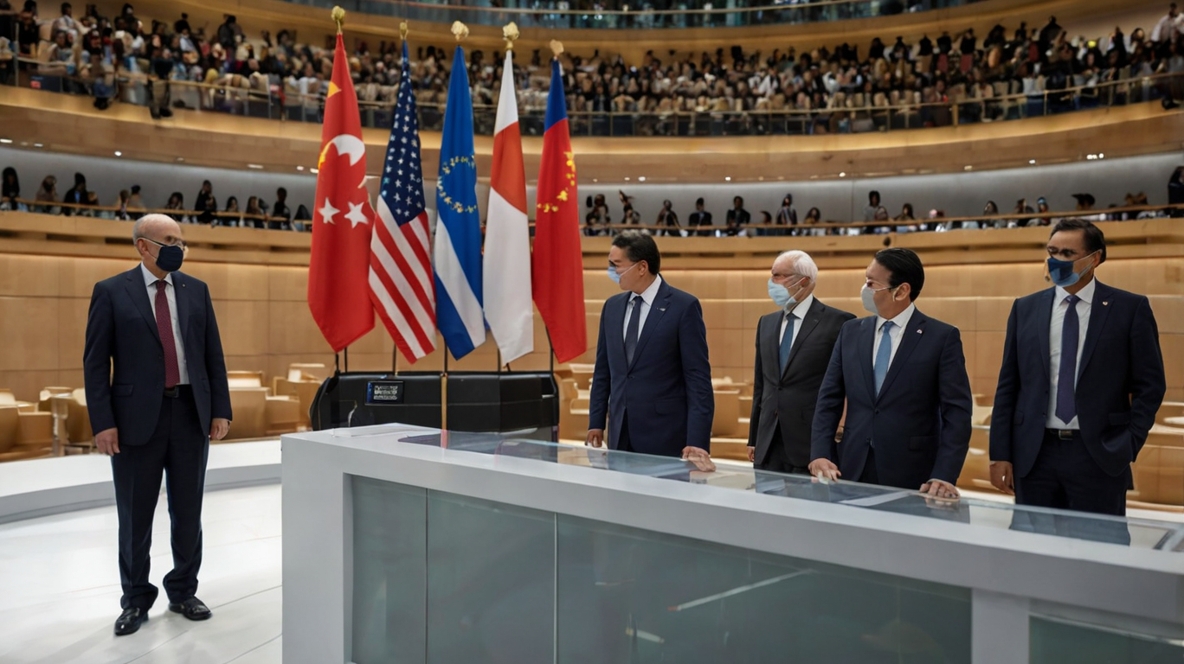
The 2025 elections are set to be a turning point for global politics, influencing everything from international relations to economic policies. With democracy facing growing challenges, political polarization deepening, and world leaders navigating an increasingly unstable landscape, the impact of these elections will be felt worldwide. In this article, we analyze the key political trends that will define the future.
1. The Rise of Political Polarization
Political polarization has intensified in recent years, with sharp ideological divides shaping election campaigns. In 2025, we can expect more contentious debates, populist rhetoric, and deepening divisions between progressive and conservative factions. The role of social media in amplifying these divides will also be a crucial factor.
2. Democracy in Crisis: The Struggle for Stability
Many democracies are under pressure, facing threats from authoritarianism, misinformation, and declining public trust in institutions. The 2025 elections will test the resilience of democratic systems, particularly in countries where free and fair elections are being challenged. Issues like voter suppression, election interference, and media control will be major concerns.
3. The Influence of World Leaders on Election Outcomes
The leadership of key figures such as U.S. President Joe Biden, Russian President Vladimir Putin, and Chinese President Xi Jinping will have a profound impact on global politics. The way these leaders engage with their domestic elections and international policies will set the tone for geopolitical stability.
4. The Role of Emerging Economies in Global Politics
Countries like India, Brazil, and Nigeria are gaining greater influence in global decision-making. As these nations head to the polls, their election results will shape economic policies, trade agreements, and diplomatic relations with major powers.
5. The Impact of Climate Policies on Election Campaigns
Climate change has become a top issue for voters worldwide. In 2025, political candidates will be forced to take clear stances on environmental policies, green energy, and climate action. Nations that fail to prioritize sustainability could face political backlash.
6. The Future of Global Alliances and Trade Deals
Elections will influence key international agreements, including NATO policies, EU relations, and trade deals like the USMCA and CPTPP. A shift in leadership in major economies could lead to renegotiations or withdrawals from existing agreements, altering the global trade landscape.