




















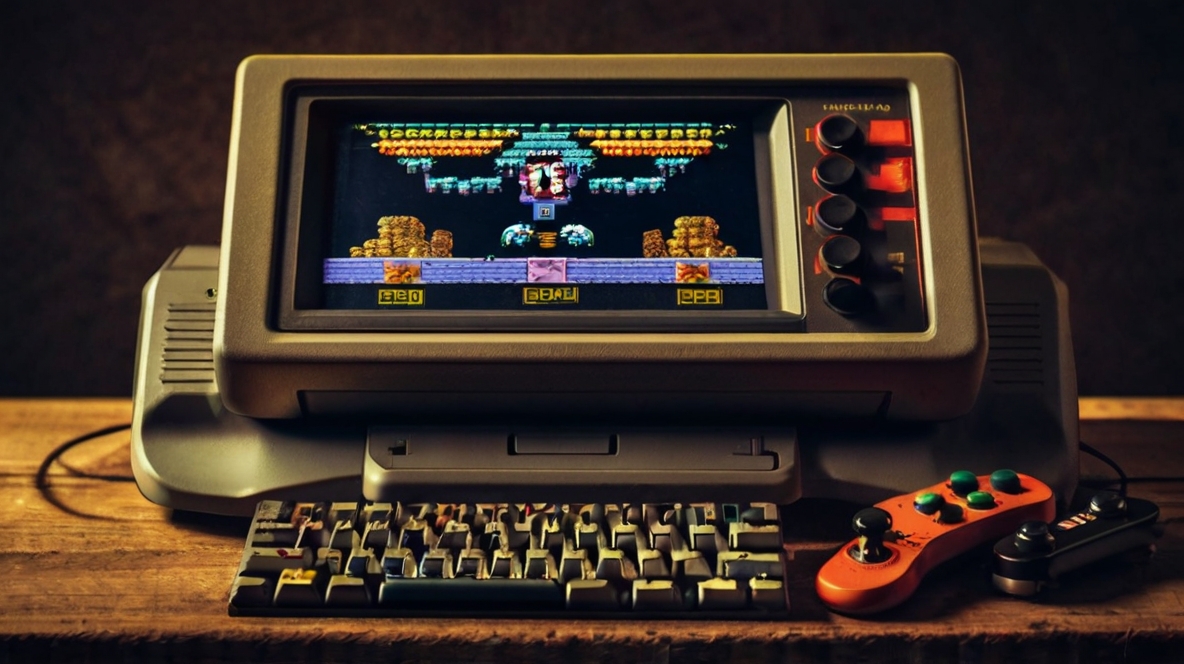
In an era where high-definition graphics and immersive virtual reality experiences dominate the gaming industry, retro gaming has found a special place in the hearts of enthusiasts. The allure of classic games, with their pixelated graphics and simplistic gameplay, offers a nostalgic trip down memory lane. This article delves into the fascinating world of retro gaming, exploring its history, the timeless appeal of classic games, and why this vintage trend continues to captivate gamers of all ages.
The Origins of Retro Gaming
Retro gaming refers to playing and collecting video games from earlier gaming consoles, typically those released before the 21st century. The journey of retro gaming begins in the late 1970s and early 1980s, a period that witnessed the birth of iconic gaming consoles like the Atari 2600, Nintendo Entertainment System (NES), and the Sega Genesis. These consoles introduced players to a new world of entertainment, offering a diverse range of games that laid the foundation for the modern gaming industry.
Classic Games That Shaped Gaming History
The appeal of retro gaming lies in the timeless nature of classic games that continue to resonate with players. Titles like Super Mario Bros., The Legend of Zelda, Pac-Man, and Sonic the Hedgehog are not just games; they are cultural landmarks that have left an indelible mark on gaming history. These games were pioneers in their genres, offering innovative gameplay mechanics and storytelling that set the standard for future titles.
Super Mario Bros.
Released in 1985 by Nintendo, Super Mario Bros. revolutionized the platforming genre. The game’s intuitive controls, challenging levels, and memorable characters like Mario and Luigi made it an instant classic. Its success cemented Nintendo’s place in gaming history and established Mario as an iconic character.
The Legend of Zelda
Another Nintendo masterpiece, The Legend of Zelda (1986), introduced players to an expansive world of adventure and exploration. Its open-world design, intricate puzzles, and captivating storyline set it apart from other games of its time. The series continues to be a benchmark for adventure games, with each installment building on its rich legacy.
Pac-Man
Namco’s Pac-Man (1980) became a cultural phenomenon, transcending the gaming world. Its simple yet addictive gameplay, where players navigate a maze to collect dots while avoiding ghosts, made it a staple in arcades worldwide. Pac-Man’s influence extends beyond gaming, as it became a pop culture icon of the 1980s.
Sonic the Hedgehog
Sega’s answer to Mario, Sonic the Hedgehog (1991), introduced a new level of speed and excitement to platforming games. Sonic’s vibrant graphics, fast-paced gameplay, and catchy music set it apart from its competitors. The character of Sonic became a symbol of Sega’s brand and a beloved figure in gaming history.
The Enduring Appeal of Retro Gaming
The resurgence of retro gaming can be attributed to several factors. For many, it offers a sense of nostalgia, allowing them to relive their childhood memories. The simplicity of classic games, devoid of complex graphics and convoluted storylines, provides a refreshing contrast to modern games. Additionally, the challenge presented by these games, which often relied on skill and precision, offers a rewarding experience that many contemporary titles lack.
Retro Gaming in the Modern Era
The modern gaming industry has embraced the retro gaming trend, with companies re-releasing classic games on new platforms. Miniature versions of classic consoles, such as the NES Classic Edition and the Sega Genesis Mini, have become popular among collectors and new gamers alike. Digital distribution platforms like Nintendo’s Virtual Console and Sony’s PlayStation Network offer a vast library of retro games, making them easily accessible to a new generation of players.