




















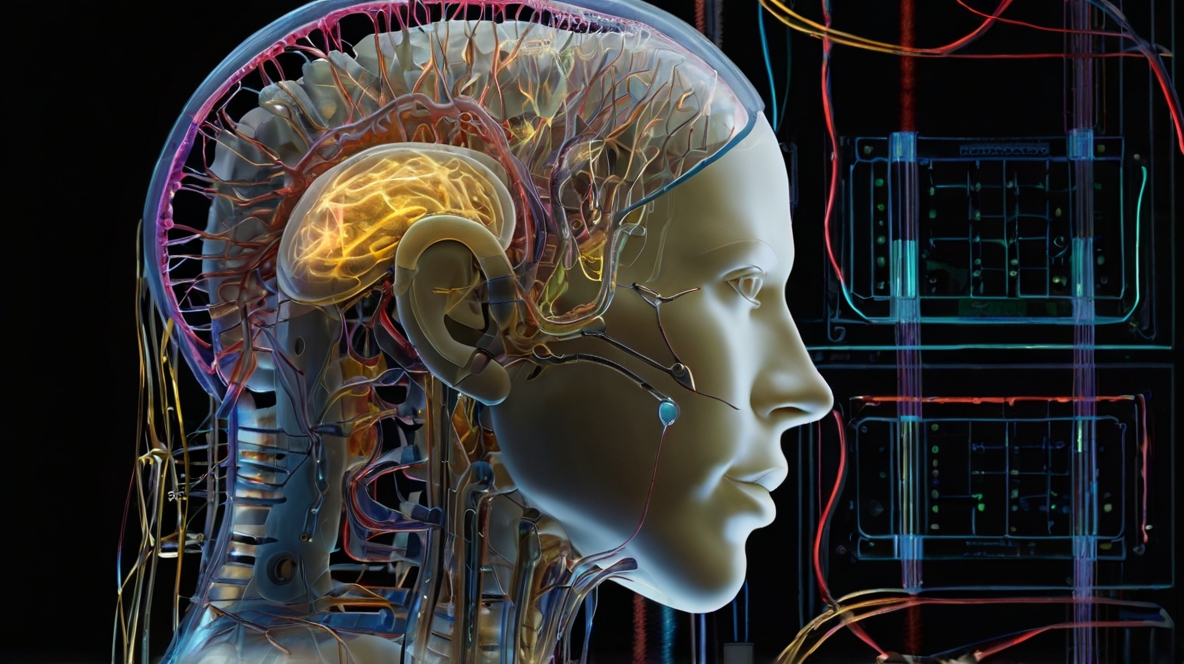
In today’s rapidly evolving technological landscape, Exploring the Potential of neuromorphic computing stands at the forefront of innovation. Combining principles from neuroscience and computer science, neuromorphic computing aims to mimic the human brain’s architecture to achieve unprecedented levels of efficiency and versatility in computing tasks.
Understanding Neuromorphic Computing
Neuromorphic computing represents a paradigm shift from traditional computing methods. Unlike conventional processors that rely on sequential logic and binary code, neuromorphic systems leverage interconnected networks of artificial neurons. These neurons, inspired by biological counterparts, communicate through spikes of electrical activity, enabling them to process information in a highly parallel and energy-efficient manner.
Key Features and Advantages
- Parallel Processing: Neuromorphic chips can execute multiple tasks simultaneously, mirroring the brain’s ability to handle numerous inputs concurrently. This parallelism accelerates complex computations such as pattern recognition and data analysis.
- Energy Efficiency: By emulating the brain’s efficient use of energy, neuromorphic computing offers significant advantages over traditional CPUs and GPUs. This efficiency is crucial for applications in AI, robotics, and IoT devices where power consumption is a critical concern.
- Adaptability and Learning: One of the most remarkable aspects of neuromorphic systems is their ability to learn from data and adapt to changing environments. This capability, known as synaptic plasticity, allows machines to improve their performance over time without explicit programming.
Applications Across Industries
Neuromorphic computing has the potential to revolutionize various sectors:
- Artificial Intelligence: Enhancing the speed and accuracy of machine learning algorithms, enabling real-time decision-making in autonomous systems.
- Healthcare: Facilitating faster medical diagnostics through advanced image and signal processing, leading to more precise treatment plans.
- Internet of Things (IoT): Powering smart sensors and devices capable of sophisticated data processing at the edge, reducing latency and improving reliability.
- Neuroscience: Providing insights into brain functions through simulations, aiding in understanding cognitive processes and neurological disorders.
Challenges and Future Outlook
While the promise of neuromorphic computing is vast, several challenges remain:
- Hardware Development: Designing scalable and cost-effective neuromorphic hardware that can handle large-scale applications.
- Algorithm Optimization: Developing algorithms that fully exploit the capabilities of neuromorphic architectures.
- Integration with Existing Systems: Ensuring compatibility and seamless integration with current computing infrastructures.
Looking ahead, ongoing research and collaboration among scientists, engineers, and industry leaders are crucial to unlocking the full potential of neuromorphic computing. As advancements continue, we can expect to see increasingly sophisticated applications that redefine the boundaries of what technology can achieve.