




















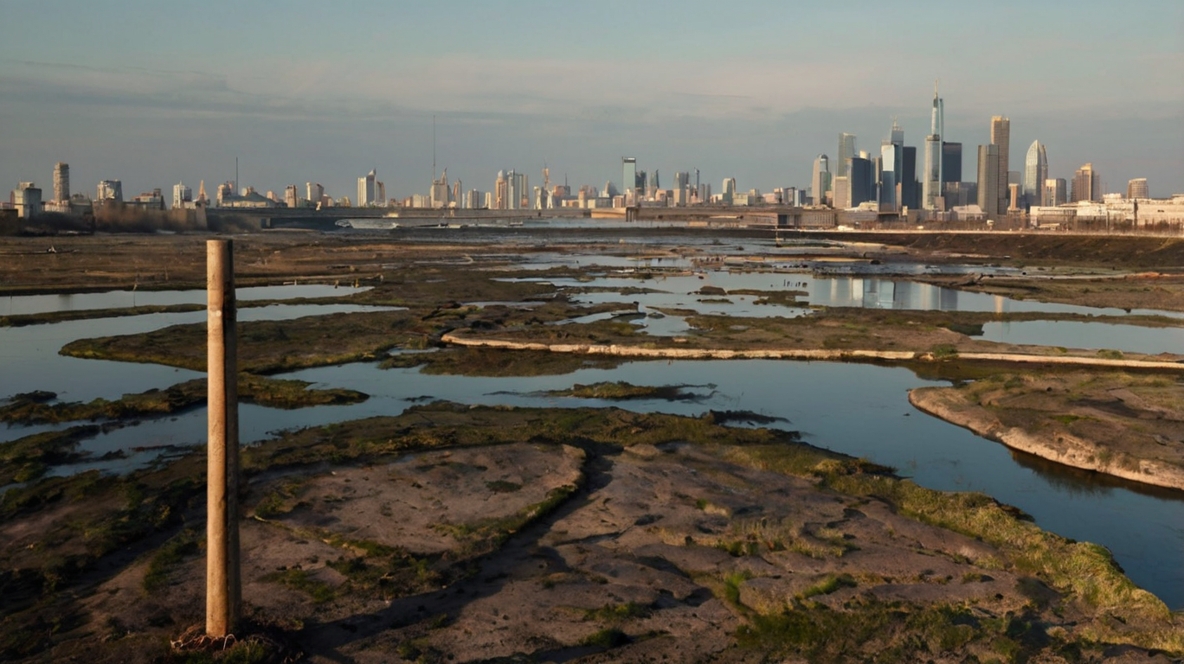
Climate change is no longer a distant threat—it’s a global crisis demanding urgent attention. Yet, when it comes to political action, the line between genuine climate policy and political posturing often blurs. Are our leaders truly committed to green legislation, or is environmental politics becoming just another PR strategy?
The Rise of Climate Policy in Global Agendas
Over the past decade, climate policy has taken center stage in political discourse worldwide. From the Paris Agreement to national net-zero pledges, governments have made bold promises to tackle carbon emissions and invest in renewable energy. However, the real question remains: are these policies backed by action or just ambitious rhetoric?
Environmental Politics: A Partisan Battleground
In many countries, especially the United States, environmental politics has become deeply polarized. While one side champions aggressive green legislation to curb climate change, the other often downplays the urgency or cost of such measures. This division makes it challenging to pass meaningful climate bills or maintain consistent environmental strategies across administrations.
For instance, the rollback of environmental regulations during the Trump era was quickly countered by renewed climate efforts under the Biden administration. This back-and-forth undermines long-term progress and signals to the public and businesses that climate commitments may not be permanent.
Green Legislation vs. Greenwashing
Not all climate initiatives are created equal. Many governments and corporations use terms like “green,” “eco-friendly,” or “sustainable” in their policies without implementing measurable change. This phenomenon—known as greenwashing—can mislead voters and consumers into believing more is being done than actually is.
To combat this, transparency in environmental reporting and accountability in climate spending are essential. Green legislation must include clear benchmarks, timelines, and enforcement mechanisms to be effective—not just promises and press releases.
The Role of Youth and Grassroots Movements
One of the most powerful forces pushing politicians toward genuine climate action is grassroots activism. Youth-led movements like Fridays for Future have mobilized millions and pressured policymakers to move beyond symbolic gestures. These groups are crucial in holding leaders accountable and demanding science-based climate policy rather than politically convenient half-measures.
Is There Hope for Real Progress?
Despite the challenges, there are signs of hope. Nations like Denmark, New Zealand, and Germany have made significant progress with comprehensive climate policies. The European Union’s Green Deal and growing investment in clean energy signal that environmental politics, when rooted in science and accountability, can lead to real change.
However, progress will require a shift from short-term political gains to long-term environmental responsibility. Voters, activists, and global institutions must continue to demand more than just promises—they must demand results.