


















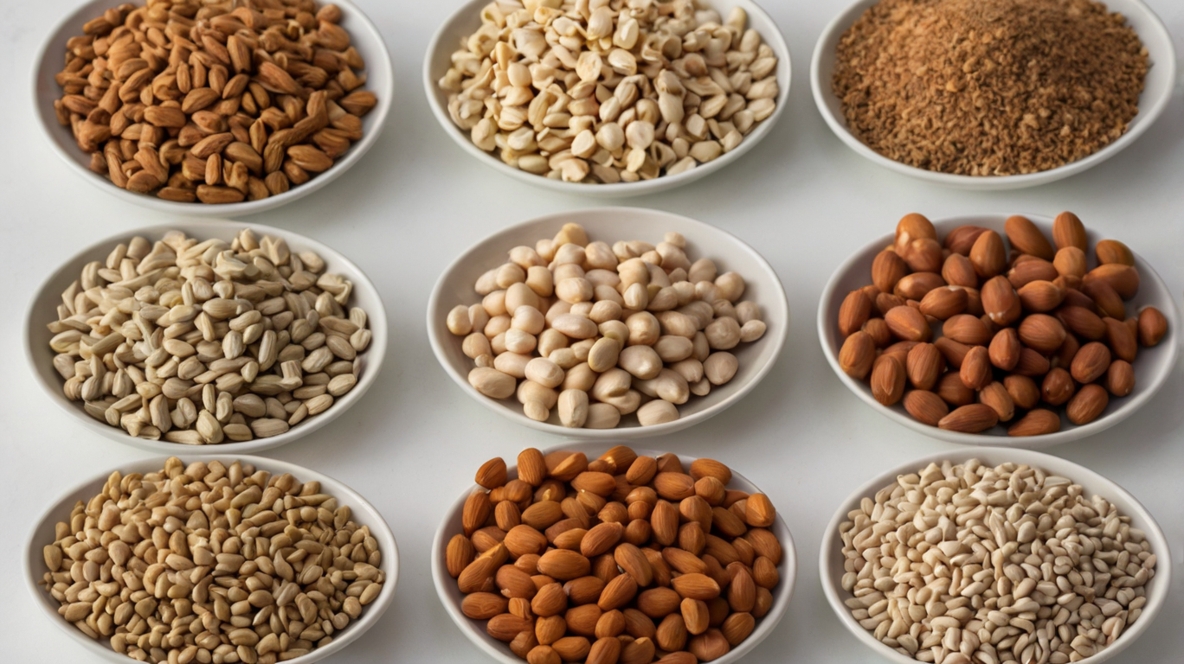
As more people turn to Best Plant-Based Proteins to Incorporate in Your Diet , ensuring you get enough protein can seem challenging, especially if you are accustomed to animal-based sources. However, the plant kingdom offers a variety of rich and nutritious protein options that can easily meet your dietary needs. Whether you’re a vegan, vegetarian, or simply looking to reduce your meat intake, here’s a guide to the best plant-based proteins to incorporate into your healthy diet.
Why Plant-Based Proteins Are Essential for a Healthy Diet
Plant-based proteins not only provide the necessary building blocks for muscles and tissues, but they also offer a variety of other benefits. They are often lower in saturated fat, cholesterol-free, and packed with fiber, vitamins, and minerals. Incorporating vegan proteins into your diet can help you manage weight, reduce your risk of chronic diseases, and promote overall well-being.
Top Plant-Based Protein Sources
1. Lentils
Lentils are a powerhouse when it comes to plant-based proteins. With around 18 grams of protein per cooked cup, they are also rich in fiber, iron, and folate. Lentils can be used in soups, stews, salads, and even veggie burgers, making them a versatile addition to any meal plan.
2. Chickpeas (Garbanzo Beans)
Chickpeas are another protein-packed option, providing about 15 grams of protein per cooked cup. They are also a good source of fiber and iron. Whether in the form of hummus, roasted as a snack, or added to salads and curries, chickpeas are a fantastic way to increase your protein intake.
3. Quinoa
Quinoa is a complete protein, meaning it contains all nine essential amino acids that the body cannot produce on its own. With about 8 grams of protein per cup, quinoa is also gluten-free and rich in magnesium, iron, and fiber. It’s perfect as a base for salads, stir-fries, or even breakfast bowls.
4. Tofu
Made from soybeans, tofu is one of the most well-known plant-based protein sources. Depending on the variety (firm or silken), tofu provides around 10-20 grams of protein per serving. It’s incredibly versatile and can be used in both savory and sweet dishes, from stir-fries to smoothies.
5. Tempeh
Like tofu, tempeh is made from soybeans but has a firmer texture and a nuttier flavor. Tempeh is a great source of plant-based protein, offering about 21 grams per 3-ounce serving. It’s also rich in probiotics, which are beneficial for gut health. Try tempeh in sandwiches, salads, or as a meat substitute in any dish.
6. Edamame
Edamame, young green soybeans, are not only delicious but also an excellent source of protein, providing 17 grams per cup. They are also packed with fiber, vitamins, and minerals. Edamame makes for a convenient snack or a tasty addition to salads and stir-fries.
7. Chia Seeds
Chia seeds may be small, but they pack a punch when it comes to nutrition. With 4 grams of protein per 2 tablespoons, they are also rich in omega-3 fatty acids, fiber, and antioxidants. Chia seeds can be added to smoothies, oatmeal, or used to make chia pudding for a nutritious, protein-filled breakfast or snack.
8. Hemp Seeds
Hemp seeds provide around 10 grams of protein in just 3 tablespoons, making them a powerful plant-based protein option. They are also a great source of omega-3 and omega-6 fatty acids. Sprinkle hemp seeds over salads, smoothies, or mix them into yogurt for a protein boost.
9. Nutritional Yeast
Nutritional yeast is a savory, cheesy-flavored product that is popular among vegans. It offers 8 grams of protein per 2 tablespoons, along with B vitamins. It’s perfect for adding a cheesy flavor to popcorn, pasta, or even scrambled tofu.
10. Seitan
Seitan, also known as wheat gluten, is one of the highest-protein plant-based foods available, with around 25 grams of protein per 3.5 ounces. Its chewy texture makes it an excellent meat substitute in various dishes, such as stir-fries, sandwiches, and soups. However, it’s important to note that seitan is not suitable for those with gluten intolerance.
How to Easily Incorporate Plant-Based Proteins into Your Diet
Incorporating more plant-based proteins into your meals doesn’t have to be difficult. Start by adding protein-rich plants to your favorite recipes. For example, swap out meat for tofu or tempeh in stir-fries, mix lentils into soups and salads, or start your day with a protein-packed quinoa bowl. You can also snack on roasted chickpeas or edamame for a protein boost between meals.