




















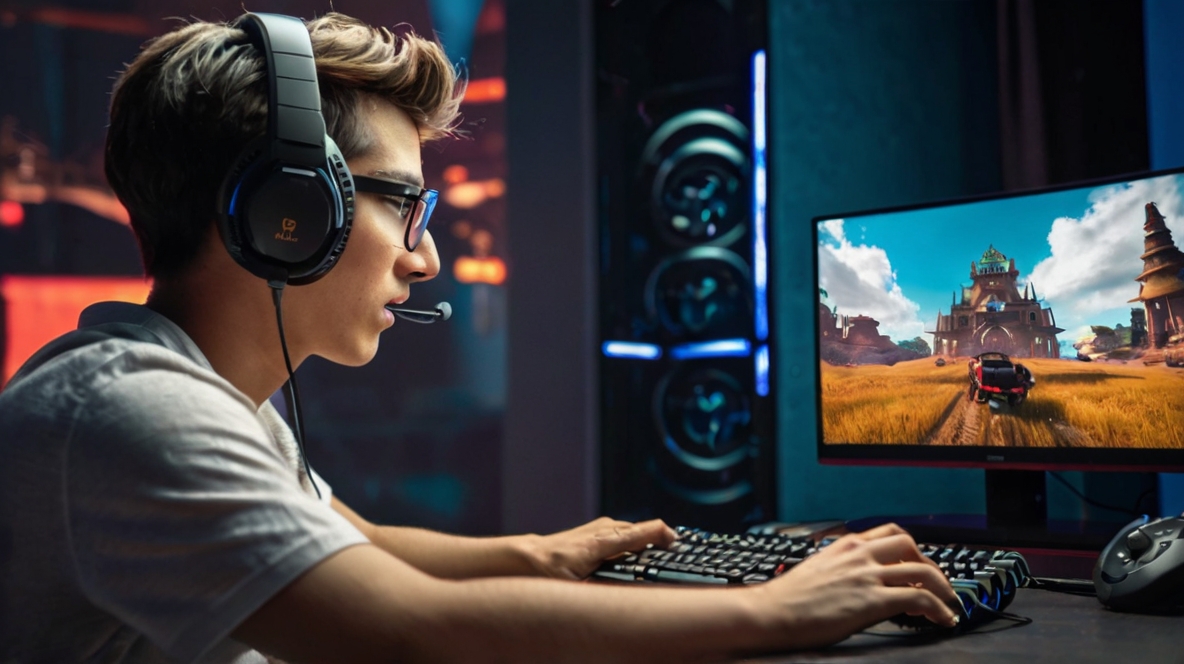
Cloud gaming is revolutionizing the gaming industry, bringing a paradigm shift in how games are developed, distributed, and played. As this technology gains momentum, it is transforming the landscape of gaming, offering both opportunities and challenges to stakeholders across the board.
What is Cloud Gaming?
Cloud gaming, also known as gaming on demand or game streaming, leverages cloud technology to deliver high-quality gaming experiences directly to players over the internet. Instead of relying on local hardware, such as consoles or PCs, cloud gaming uses powerful servers in remote data centers to process games. This allows players to stream games in real-time to various devices, including smartphones, tablets, smart TVs, and low-end PCs.
Advantages of Cloud Gaming
- Accessibility: One of the most significant impacts of cloud gaming on the gaming industry is enhanced accessibility. Players no longer need expensive hardware to enjoy high-quality games. A stable internet connection is all that’s required, making gaming more inclusive and affordable.
- Instant Play: Cloud gaming eliminates the need for lengthy downloads and installations. Players can start their games instantly, enhancing the overall gaming experience and reducing the barrier to entry for new titles.
- Cross-Platform Play: With cloud gaming, gamers can play on any device with internet access. This cross-platform compatibility fosters a more connected and flexible gaming environment.
- Updates and Maintenance: Cloud gaming providers handle updates and maintenance on their servers, ensuring that players always have access to the latest versions of their favorite games without the hassle of manual updates.
Challenges Facing Cloud Gaming
Despite its numerous advantages, cloud gaming faces several challenges that need addressing to fully realize its potential.
- Latency Issues: Latency, or lag, is a critical concern in cloud gaming. High-speed internet is essential to minimize delays between player inputs and on-screen actions. This can be a barrier in regions with poor internet infrastructure.
- Bandwidth Requirements: Cloud gaming consumes a significant amount of data, which can be problematic for users with limited data plans or slow internet connections. Ensuring a seamless gaming experience requires substantial bandwidth.
- Data Privacy and Security: As with any cloud-based service, data privacy and security are paramount. Protecting user data and preventing cyberattacks are crucial for building trust in cloud gaming services.
- Cost: While cloud gaming can reduce hardware costs, subscription fees for cloud gaming services can add up. Balancing affordability with quality service is essential for widespread adoption.
The Future of Cloud Gaming
The future of cloud gaming looks promising, with continuous advancements in gaming technology driving innovation. Major tech giants and gaming companies are investing heavily in this sector, indicating strong confidence in its potential.
- 5G Technology: The rollout of 5G networks promises to significantly reduce latency and improve the overall performance of cloud gaming. Faster internet speeds and lower latency will make cloud gaming more viable and enjoyable.
- New Business Models: Cloud gaming is reshaping traditional business models in the gaming industry. Subscription services, such as Xbox Game Pass and PlayStation Now, are becoming increasingly popular, offering gamers access to vast libraries of games for a monthly fee.
- Game Development: Cloud gaming opens up new possibilities for game developers. They can create more complex and resource-intensive games without worrying about the limitations of local hardware. This could lead to more innovative and immersive gaming experiences.
- Global Reach: Cloud gaming has the potential to reach a global audience, including regions where gaming infrastructure is limited. This can lead to a more diverse and inclusive gaming community.