
























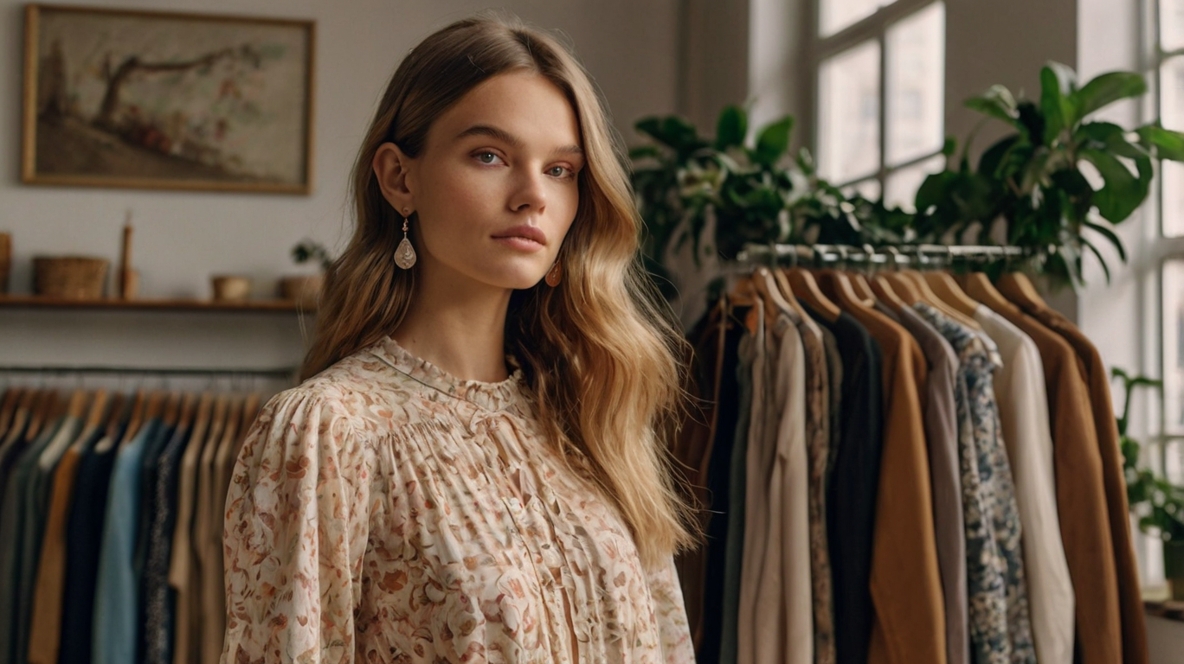
Fashion is changing—and in 2026, looking stylish is increasingly about making smarter choices. Sustainable fashion trends 2026 are moving beyond simply buying clothes made from recycled materials. Consumers are embracing secondhand shopping, clothing repair, resale, upcycling, durable clothing, and more thoughtful wardrobe choices.
The biggest shift is simple: fashion is becoming less about constantly buying something new and more about getting greater value and longer life from the clothes we already own. Resale, repair, rental, and reuse are gaining momentum as consumers look for affordability, durability, and value alongside style.
What Is Sustainable Fashion?
Sustainable fashion refers to clothing and accessories designed, produced, purchased, used, and eventually reused or recycled with greater consideration for environmental and social impacts.
It can involve:
- Choosing durable clothing
- Buying secondhand or pre-loved fashion
- Repairing damaged garments
- Rewearing outfits in different ways
- Upcycling old clothing
- Choosing responsible materials
- Supporting transparent and ethical brands
- Renting clothing for occasional events
- Reducing unnecessary purchases
In 2026, the focus is increasingly shifting toward circular fashion, where clothing remains in use for as long as possible rather than following a simple buy-use-discard cycle.
Top Sustainable Fashion Trends 2026
1. Secondhand and Pre-Loved Fashion
Secondhand fashion continues to move into the mainstream. Instead of viewing pre-owned clothing as a compromise, shoppers are increasingly choosing it for affordability, individuality, quality, and access to vintage or designer pieces.
The resale market is also becoming an important part of the wider fashion industry, with brands and platforms developing new ways to keep clothing in circulation.
How to try it:
Look for quality secondhand jackets, denim, handbags, occasion wear, vintage pieces, and accessories before purchasing new.
2. Repair Before Replace
One of the most practical sustainable fashion trends 2026 is the return of repair culture.
A missing button, loose seam, small tear, or broken zipper does not necessarily mean a garment has reached the end of its life. Fashion brands are increasingly experimenting with repair services, workshops, and aftercare programs.
Learning simple sewing skills—or finding a trusted local tailor—can help you extend the life of your favorite clothes.
3. Rewearing Is the New Fashion Statement
Repeating an outfit is no longer something to hide. In fact, styling the same clothing in multiple ways can make a wardrobe more versatile and personal.
Try wearing:
- One blazer with jeans, trousers, and dresses
- One white shirt with casual and formal outfits
- One pair of trousers with sneakers and formal shoes
- One dress with different jackets, scarves, or accessories
Rewearing better means buying fewer pieces that work harder.
4. Upcycling and Creative Styling
Upcycling transforms existing clothing into something new instead of throwing it away.
Old denim can become a bag. An oversized shirt can be transformed into a new silhouette. Vintage clothing can be altered to fit contemporary styles.
This trend combines creativity, personalization, and sustainability, making it especially appealing to shoppers who want unique fashion.
5. Circular Fashion and Resale
Circular fashion is becoming one of the most important concepts in the fashion industry. Rather than ending a garment’s journey after one owner, circular models aim to keep products and materials in use through resale, repair, rental, refurbishment, and recycling.
In India, resale is currently one of the strongest entry points into circular fashion, while repair remains deeply rooted in everyday culture.