




















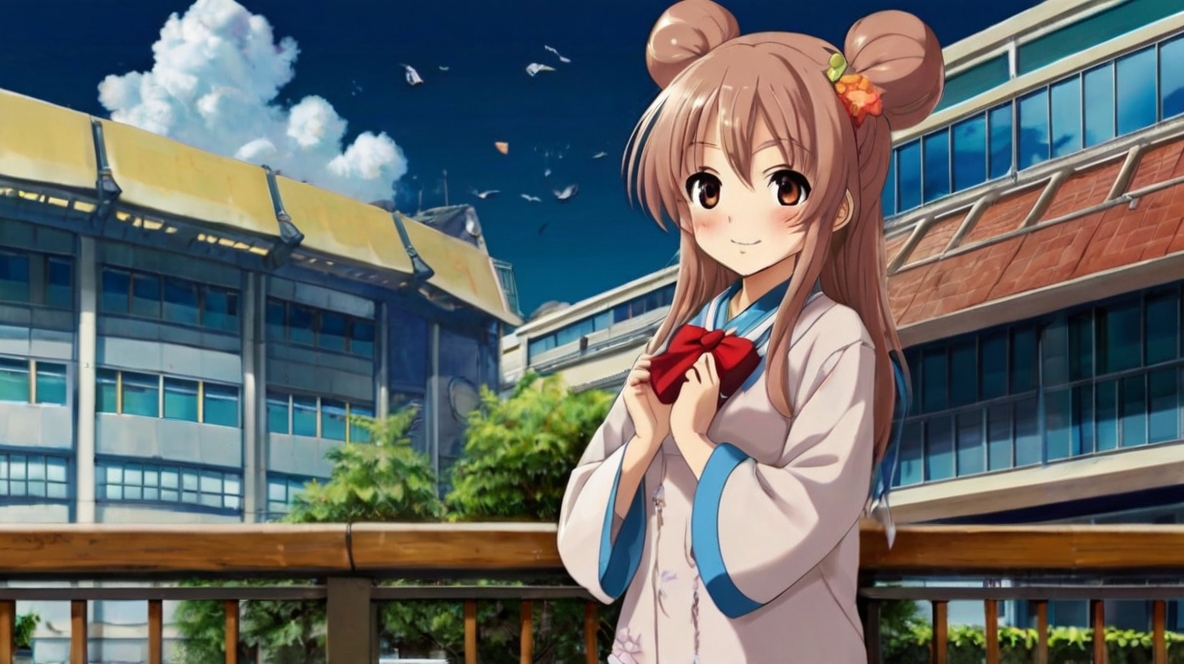
Exploring the World of Anime, a vibrant and diverse form of animation originating from Japan, has captured the hearts and imaginations of audiences worldwide. From its humble beginnings to becoming a global cultural phenomenon, anime has evolved into a multifaceted art form that transcends age, gender, and geographical boundaries. In this article, we delve into the rich tapestry of anime, exploring its history, genres, and impact on global pop culture.
Origins and Evolution
Anime, short for animation in Japanese, has its roots traced back to the early 20th century. Influenced by Western animation techniques, Japanese artists began experimenting with their own styles and narratives. The breakthrough came in the post-World War II era, with works like Osamu Tezuka’s “Astro Boy,” which introduced themes of heroism and futuristic settings, laying the foundation for modern anime.
Diversity of Genres
One of the most intriguing aspects of anime is its diversity of genres. From action-packed shonen series like “Naruto” and “Dragon Ball Z” to introspective slice-of-life stories such as “Your Lie in April,” anime covers a wide spectrum of themes and emotions. This versatility allows creators to explore complex narratives, from epic adventures and romantic comedies to psychological thrillers and supernatural mysteries.
Cultural Influences and Themes
Anime often reflects aspects of Japanese culture, mythology, and societal issues. Themes of honor and loyalty resonate through historical epics like “Samurai Champloo,” while futuristic dystopias in series like “Ghost in the Shell” provoke contemplation on the impact of technology on humanity. Additionally, anime frequently incorporates fantastical elements drawn from Japanese folklore and mythology, adding a unique flavor to its storytelling.
Global Impact and Fandom
In recent decades, anime’s popularity has surged beyond Japan, thanks in part to global distribution and streaming platforms. Shows like “Attack on Titan” and “My Hero Academia” have amassed international fanbases, leading to conventions, cosplay events, and online communities dedicated to discussing and celebrating anime. This global reach underscores anime’s ability to resonate with audiences worldwide, transcending cultural and linguistic barriers.
Artistic Innovation and Influence
Beyond entertainment, anime has made significant contributions to art and animation techniques. Its distinct visual style, characterized by bold colors, expressive characters, and elaborate backgrounds, has influenced animators and artists globally. Directors like Hayao Miyazaki of Studio Ghibli fame have achieved acclaim for their masterful storytelling and breathtaking animation, further cementing anime’s reputation as a respected art form.
Looking Ahead
As anime continues to evolve, its impact on global pop culture shows no signs of waning. With advancements in technology enabling more ambitious productions and storytelling techniques, the future promises even greater innovation and creativity within the anime industry. Whether you’re a seasoned anime enthusiast or a newcomer curious about this captivating world, exploring the vast landscape of anime offers endless opportunities for discovery and enjoyment.