


















The Art of Film scoring, an intricate art that elevates movies from mere visual storytelling to emotionally immersive experiences, plays a pivotal role in cinema. This craft involves composing music tailored to a film’s narrative, characters, and mood, creating an auditory landscape that enhances the viewer’s emotional journey. Understanding the nuances of film scoring can deepen our appreciation of this vital cinematic element.
The Evolution of Film Scoring
The history of film scoring dates back to the silent film era when live orchestras played alongside screenings. As technology advanced, so did the complexity and scope of film scores. The introduction of synchronized sound in the late 1920s marked a significant shift, allowing composers to create scores that directly interacted with on-screen action.
Legendary composers like Max Steiner, Bernard Herrmann, and Ennio Morricone pioneered techniques that defined film scoring. Their work demonstrated how music could underscore dramatic tension, highlight emotional peaks, and provide thematic continuity. Today, modern composers like Hans Zimmer and John Williams continue to push the boundaries, using a blend of traditional orchestration and digital technology.
The Process of Creating a Film Score
Creating a film score is a multi-faceted process that involves several stages:
- Spotting Session: This is the initial meeting between the director and the composer, where they watch the film together and decide where music will be placed (called “cues”). They discuss the desired emotional impact and any specific themes or motifs that should be included.
- Composing: Based on the spotting session, the composer begins writing the music. This stage can involve extensive research, especially if the film requires period-specific or culturally authentic music.
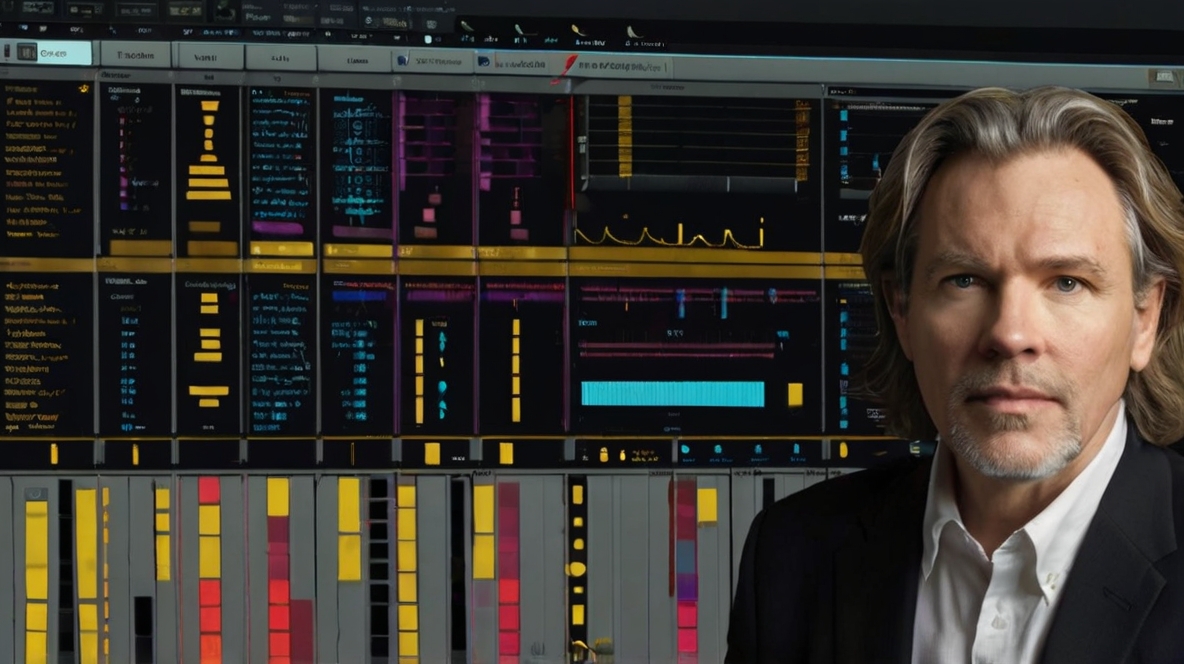
- Mock-ups and Approval: Composers often create digital mock-ups of the score using software instruments. These mock-ups are shared with the director and producers for feedback and approval before recording with live musicians.
- Recording: The approved score is recorded, often with an orchestra. This stage is meticulously planned, with sessions scheduled to maximize efficiency.
- Mixing and Editing: The recorded music is then mixed and edited to fit perfectly with the film’s audio track. This ensures that the score complements dialogue and sound effects without overwhelming them.
The Emotional Impact of Film Scores
Film scores are crafted to evoke specific emotions and enhance the storytelling experience. Different musical elements contribute to this:
- Melody: A memorable melody can become synonymous with a film, like the iconic themes of “Star Wars” or “Harry Potter”. Melodies help establish character themes and can be varied throughout the film to reflect the character’s journey.
- Harmony: Chord progressions and harmonic structures set the emotional tone. Minor chords can evoke sadness or tension, while major chords often convey happiness or triumph.
- Rhythm: The tempo and rhythm of the music influence the pacing of scenes. Fast, rhythmic music can heighten action sequences, while slow, sustained notes can enhance dramatic moments.
- Instrumentation: The choice of instruments adds to the mood. Strings can evoke sadness or romance, brass can convey heroism, and electronic sounds can create a sense of modernity or tension.
Iconic Film Scores and Their Legacy
Certain film scores have left an indelible mark on both cinema and popular culture. John Williams’ work on “Jaws,” with its menacing two-note motif, exemplifies how a simple musical idea can create immense tension. Similarly, Hans Zimmer’s score for “Inception” uses a blend of orchestral and electronic elements to create a sense of scale and urgency.
These scores not only enhance the films they accompany but also stand alone as significant works of art. They are performed in concert halls, referenced in popular media, and continue to influence new generations of composers.
The Future of Film Scoring
The future of film scoring looks promising, with advancements in technology and evolving cinematic trends. Virtual instruments and sophisticated software allow composers to experiment with new sounds and techniques. Moreover, the rise of streaming platforms has expanded opportunities for composers, with original scores now being created for series, documentaries, and independent films.
Additionally, there is a growing recognition of the importance of diversity in film scoring. Composers from different cultural backgrounds bring unique perspectives, enriching the musical landscape of modern cinema.