




















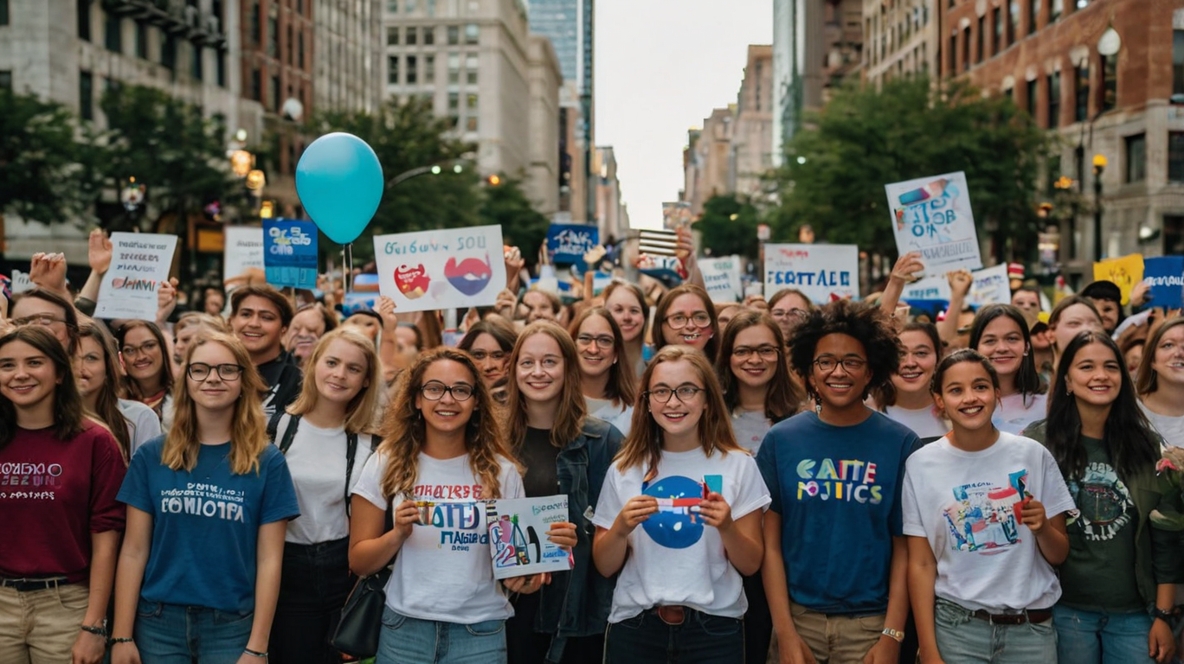
In 2025, Gen Z is no longer the future—they’re the present force shaking up the political world. From climate strikes to viral TikTok campaigns and record-breaking voter turnout, this digitally native generation is turning up the volume on political activism like never before. Their influence is not just growing—it’s transforming the very nature of political engagement worldwide.
The Rise of Gen Z Politics
Born between the late 1990s and early 2010s, Gen Z is the most connected and socially conscious generation to date. Raised amidst global crises—climate change, economic uncertainty, social injustice, and a global pandemic—Gen Z has developed a deep sense of urgency and responsibility. This has translated into political action, both online and offline.
Key Drivers of Gen Z’s Political Engagement:
-
Digital Native Advantage: Gen Z leverages social media not just for memes and trends, but for mobilizing support, spreading awareness, and organizing movements.
-
Demand for Authenticity: Unlike previous generations, Gen Z demands transparency, accountability, and relatability from political leaders.
-
Intersectional Activism: Their political agendas are inclusive, often linking climate justice with racial equity, mental health, and gender rights.
Youth Activism in Action: Real-World Impact
The past few years have seen a wave of youth-led movements influencing public policy and national discourse:
-
Climate Strikes: Inspired by Greta Thunberg, youth across the globe have organized large-scale school walkouts and protests demanding climate action.
-
Gun Control in the U.S.: Movements like March for Our Lives, initiated by student survivors of school shootings, continue to push for stricter gun laws.
-
Pro-Democracy Protests: From Hong Kong to India, Gen Z has stood on the frontlines against authoritarianism and social injustice.
In 2025, these actions have translated into increased voter participation, a growing number of Gen Z political candidates, and influential roles in shaping party platforms.
Voting Trends Among Gen Z in 2025
Recent political studies indicate a sharp rise in voter turnout among youth in national and local elections. Gen Z voters are:
-
Progressive-leaning, prioritizing climate change, affordable education, healthcare, and human rights.
-
Skeptical of traditional parties, often supporting independent or third-party candidates.
-
More likely to use digital platforms for political information than mainstream media.
In fact, political analysts now consider Gen Z the swing demographic that could decide key elections across the U.S., Europe, Asia, and beyond.
Challenges Facing Gen Z’s Political Influence
Despite their passion, Gen Z faces real barriers:
-
Misinformation and digital overload can cloud fact-based decision-making.
-
Political disenchantment due to systemic inaction can cause disengagement.
-
Age restrictions prevent many from running for office or even voting, especially younger members of Gen Z.
However, these challenges have only fueled a desire for systemic change, with Gen Z pushing for reforms that ensure broader youth representation.
The Road Ahead: A Youth-Driven Future
As Gen Z continues to grow in numbers and influence, their impact on the political landscape in 2025 and beyond is undeniable. Their activism isn’t a passing phase—it’s a movement redefining democracy in real-time.
Political parties, leaders, and institutions must adapt or risk becoming irrelevant. In this new era, political engagement means hashtags, protest signs, digital campaigns—and, increasingly, ballots cast by Gen Z voters determined to make a difference.