




















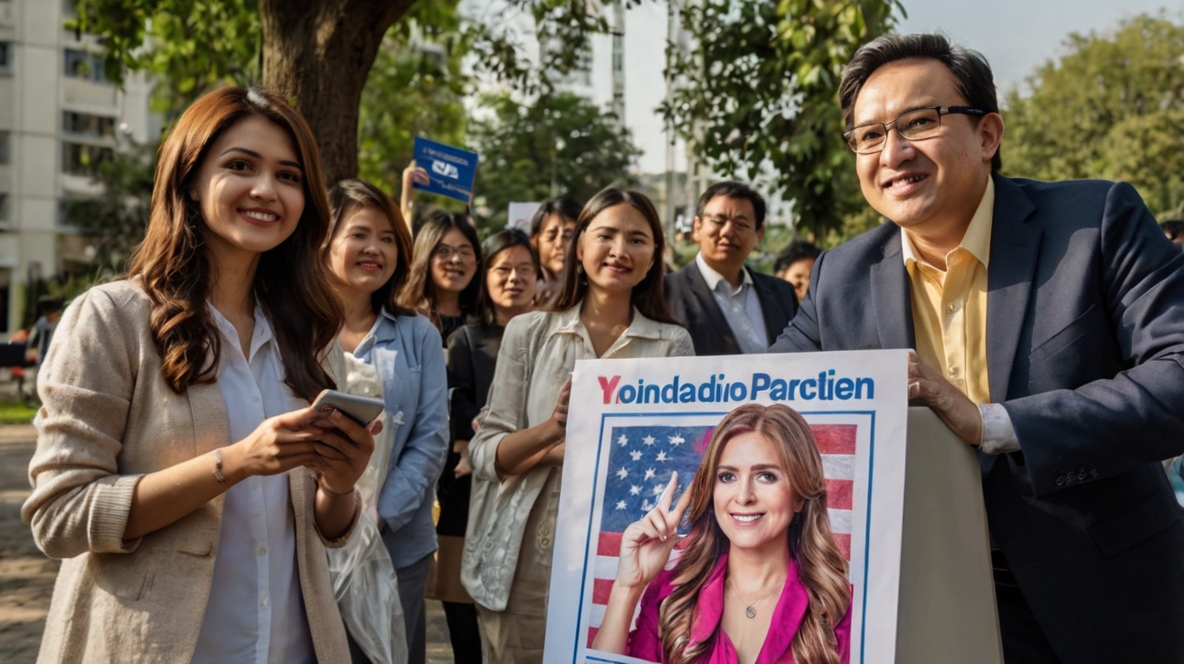
In today’s digital age, social media has become a powerful tool in shaping election outcomes. From campaign promotions to real-time debates, platforms like Facebook, Twitter, Instagram, and TikTok have revolutionized the way politicians engage with voters. But with this digital transformation comes challenges, including misinformation, data privacy concerns, and targeted political ads.
How Social Media Influences Elections
1. Direct Voter Engagement
Social media allows candidates to bypass traditional media and communicate directly with the public. Through live streams, tweets, and posts, politicians can share their policies, respond to concerns, and shape their image without media gatekeeping.
2. Digital Campaigning and Political Ads
With advanced targeting tools, candidates can tailor messages to specific demographics. Platforms use algorithms to show political ads to users based on their interests, location, and browsing behavior. This micro-targeting strategy enhances engagement but raises ethical concerns about manipulation and misinformation.
3. Viral Trends and Public Opinion
Hashtags, memes, and viral videos play a significant role in election campaigns. Whether it’s a candidate’s speech going viral or a controversy spreading rapidly, social media dictates political discourse. A single tweet can influence millions of voters within hours.
4. The Spread of Misinformation
One of the biggest challenges of social media in elections is the rapid spread of fake news. Misinformation campaigns, deepfake videos, and misleading content can manipulate voter opinions and create confusion, making it harder for citizens to make informed decisions.
5. Mobilizing Voters and Activism
Social media is a crucial tool for voter registration drives and mobilization efforts. Campaigns use digital platforms to encourage young and first-time voters to participate in elections. Online activism, petitions, and digital movements also amplify political engagement.
Challenges and Ethical Concerns
- Data Privacy: Political campaigns collect vast amounts of user data, raising concerns about data security and privacy breaches.
- Algorithm Bias: Social media platforms prioritize engagement, sometimes amplifying polarizing content that deepens political divides.
- Regulation and Transparency: Governments are struggling to regulate digital campaigning, leading to debates on political ad transparency and fair election practices.