




















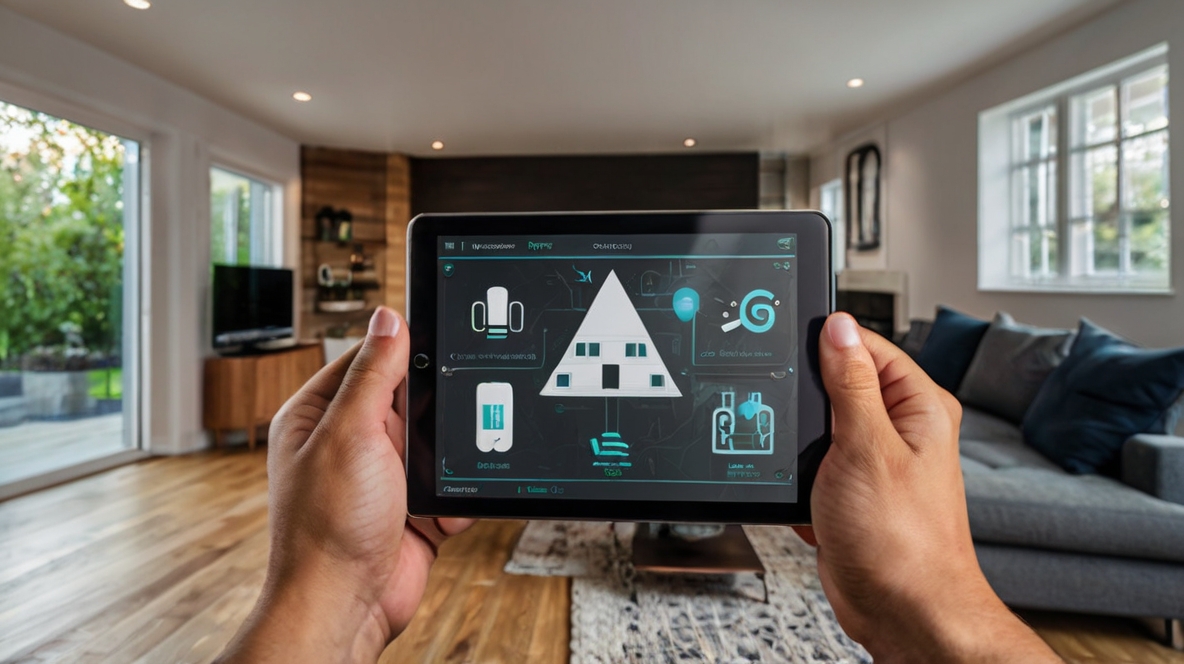
In the ever-evolving landscape of technology, smart homes have emerged as a transformative trend, promising unparalleled convenience, efficiency, and security. As we delve into the realm of smart home technology, we witness a tapestry of innovations that redefine the way we interact with our living spaces. From intuitive AI assistants to energy-efficient systems, here’s a comprehensive look at the trends shaping the future of smart homes.
1. Integration of Artificial Intelligence (AI)
At the heart of the smart home revolution lies Artificial Intelligence. AI-powered devices like Amazon Alexa, Google Assistant, and Apple HomeKit have become ubiquitous, offering voice-activated control over various household functions. These systems learn user preferences over time, enhancing their ability to anticipate needs, manage routines, and optimize energy consumption.
2. Energy Efficiency and Sustainability
In an era increasingly focused on environmental sustainability, smart home technologies are paving the way for energy-efficient living. Smart thermostats, such as Nest and Ecobee, automatically adjust temperatures based on occupancy and weather conditions, reducing energy wastage. Solar panels integrated with smart inverters enable homeowners to monitor and optimize their energy usage, further minimizing their carbon footprint.
3. Enhanced Security Features
Security remains a top priority for homeowners, and smart technology is bolstering traditional security measures. Smart doorbells equipped with cameras and motion sensors provide real-time alerts and footage to homeowners’ smartphones, enhancing surveillance capabilities. Smart locks offer keyless entry options and remote access control, ensuring peace of mind even when homeowners are away.
4. Expansion of IoT (Internet of Things)
The Internet of Things continues to expand its reach within smart homes, connecting an array of devices to facilitate seamless automation. From smart refrigerators that create grocery lists to Wi-Fi-enabled washing machines that adjust cycles based on fabric types, IoT devices offer unparalleled convenience and efficiency, transforming mundane tasks into effortless experiences.
5. Health and Wellness Monitoring
The integration of health and wellness monitoring systems into smart homes marks a significant advancement in personal care. Smart beds analyze sleep patterns and adjust firmness accordingly, promoting better sleep quality. Meanwhile, smart mirrors equipped with health sensors monitor vital signs and provide personalized wellness recommendations, fostering proactive health management.
6. Rise of Smart Lighting and Ambiance Control
Lighting plays a crucial role in setting the ambiance of any living space, and smart lighting solutions cater to diverse preferences. From color-changing LEDs that sync with music to automated dimming based on natural light levels, these systems offer customizable options to suit every mood and occasion, enhancing both aesthetics and functionality.
7. Seamless Integration and User Experience
The future of smart homes lies in seamless integration and intuitive user experiences. Centralized hubs, such as Samsung SmartThings and Apple HomePod, unify diverse smart devices under a single interface, simplifying control and management. Enhanced compatibility with third-party applications and services ensures a cohesive ecosystem that adapts to evolving consumer needs.