




















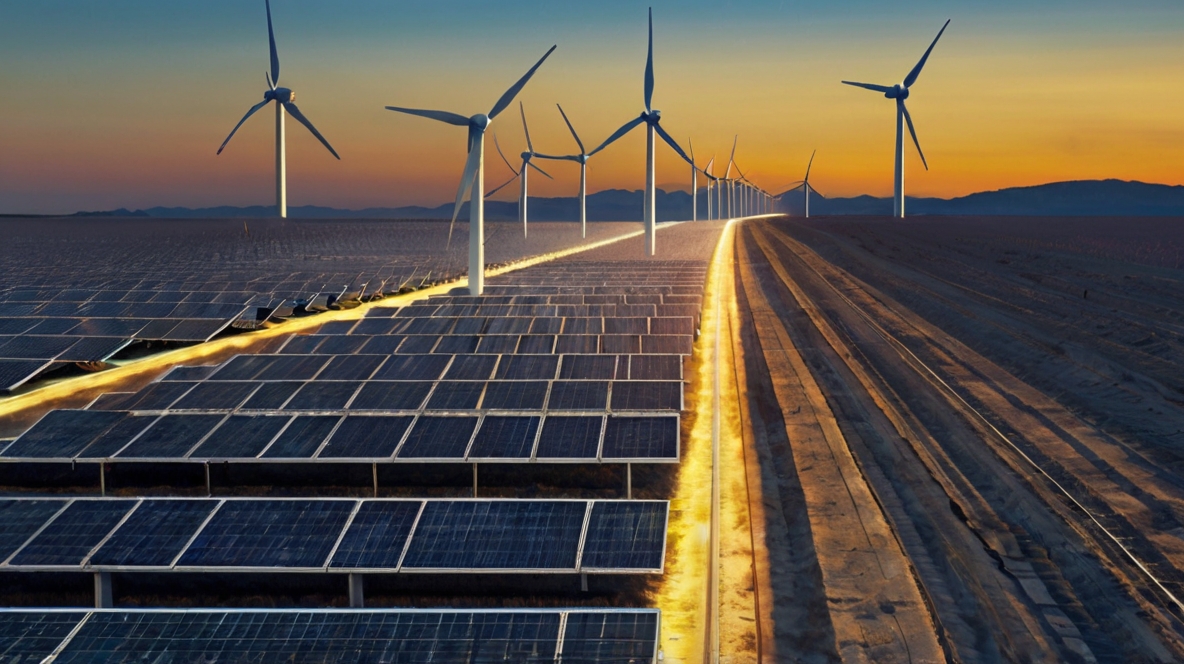
In recent years Advances in renewable energy sector has seen remarkable advancements, driven by the urgent need to address climate change and reduce our dependence on fossil fuels. These innovations are not only transforming the way we produce energy but are also making renewable sources more efficient, cost-effective, and accessible. Let’s explore some of the most significant advances in renewable energy technology that are shaping the future of sustainable energy.
1. Solar Power Innovations
High-Efficiency Photovoltaic Cells
One of the most notable advancements in solar power technology is the development of high-efficiency photovoltaic (PV) cells. Traditional silicon-based PV cells have reached efficiency limits, leading researchers to explore new materials and designs. Perovskite solar cells, for example, have shown great promise, offering higher efficiency rates and lower production costs. These cells can be used in tandem with silicon cells to create multi-junction solar panels, significantly increasing overall efficiency.
Floating Solar Farms
Floating solar farms, or floatovoltaics, are another groundbreaking innovation. These systems are installed on bodies of water, such as reservoirs and lakes, utilizing otherwise unused space and reducing land use conflicts. Additionally, the cooling effect of water helps improve the efficiency of solar panels, making floatovoltaics a promising solution for regions with limited land availability.
2. Wind Energy Breakthroughs
Offshore Wind Turbines
Offshore wind energy has gained momentum as a viable and powerful renewable energy source. Advances in turbine design and materials have enabled the construction of larger and more efficient offshore wind farms. The introduction of floating wind turbines has expanded the potential for wind energy generation to deeper waters, where winds are stronger and more consistent.
Digital Twin Technology
Digital twin technology is revolutionizing wind energy management. By creating virtual models of wind turbines, operators can monitor performance in real-time, predict maintenance needs, and optimize energy output. This predictive maintenance approach reduces downtime and extends the lifespan of wind turbines, making wind energy more reliable and cost-effective.
3. Energy Storage Solutions
Advanced Battery Technologies
Energy storage is crucial for the widespread adoption of renewable energy, as it addresses the intermittent nature of sources like solar and wind. Recent advancements in battery technology are making energy storage more efficient and affordable. Lithium-ion batteries remain popular, but emerging technologies like solid-state batteries and flow batteries offer higher energy densities and longer lifespans.
Grid-Scale Energy Storage
Grid-scale energy storage systems are transforming the way we manage and distribute renewable energy. These large-scale storage solutions, such as pumped hydro storage and compressed air energy storage, can store excess energy generated during peak production times and release it when demand is high. This capability enhances grid stability and ensures a consistent energy supply.
4. Bioenergy Developments
Advanced Biofuels
Bioenergy, derived from organic materials, is a versatile and renewable energy source. Advances in biofuel production, particularly second-generation biofuels, are making this technology more sustainable. Second-generation biofuels are produced from non-food biomass, such as agricultural residues and algae, reducing competition with food crops and minimizing environmental impact.
Biogas Upgrading
Biogas, produced from the anaerobic digestion of organic waste, is a valuable renewable energy source. Recent developments in biogas upgrading technologies, such as membrane separation and pressure swing adsorption, are improving the quality of biogas by removing impurities and increasing methane content. This upgraded biogas, known as biomethane, can be used as a direct substitute for natural gas in various applications.
5. Hydropower Innovations
Small-Scale Hydropower
While large-scale hydropower has been a staple of renewable energy for decades, small-scale hydropower systems are gaining attention for their flexibility and lower environmental impact. Micro-hydropower systems can be installed in small rivers and streams, providing reliable energy to remote communities and reducing reliance on centralized power grids.
Marine Energy
Marine energy, including tidal and wave power, is an emerging field with vast potential. Advances in marine energy technologies, such as oscillating water column devices and underwater turbines, are harnessing the power of ocean currents and waves to generate electricity. These technologies offer a predictable and consistent energy source, complementing other renewable energy systems.