




















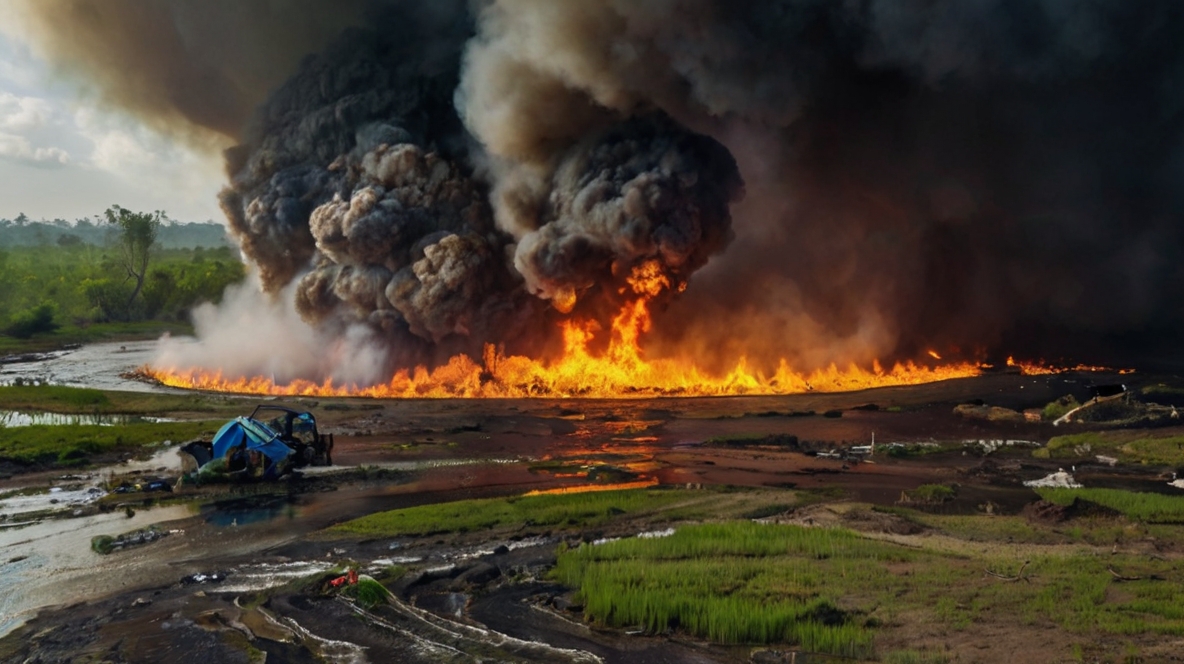
The Role of Technology in Disaster management is a critical field focused on preparing for, responding to, and recovering from natural and human-made disasters. In recent years, technology has played an increasingly vital role in enhancing disaster management efforts, providing innovative solutions to improve preparedness, response, and recovery. This article explores the significant impact of technology on disaster management, highlighting key advancements and their benefits.
Understanding Disaster Management
Disaster management encompasses a range of activities designed to minimize the impact of disasters on communities, infrastructure, and the environment. The process involves four main phases: mitigation, preparedness, response, and recovery.
- Mitigation: Implementing measures to reduce the impact of potential disasters.
- Preparedness: Planning and organizing resources to ensure an effective response.
- Response: Taking immediate action to protect life and property during a disaster.
- Recovery: Restoring affected areas to their pre-disaster state.
The Evolution of Technology in Disaster Management
Technology has revolutionized disaster management by providing new tools and methods to enhance each phase of the process. Let’s explore how technology is transforming disaster management.
Early Warning Systems
Early warning systems are critical in providing timely information about impending disasters, allowing communities to take necessary precautions. Advances in technology have led to more accurate and reliable early warning systems, such as:
- Weather Monitoring and Prediction: Satellite technology and sophisticated meteorological models enable accurate weather forecasting, helping predict hurricanes, floods, and other weather-related disasters.
- Seismic Activity Monitoring: Advanced seismographs and sensors can detect and analyze seismic activity, providing early warnings for earthquakes and tsunamis.
Communication and Information Sharing
Effective communication is essential during a disaster to coordinate response efforts and disseminate critical information to the public. Technology has enhanced communication and information sharing in several ways:
- Mobile Networks and Internet: Mobile networks and internet connectivity facilitate real-time communication between disaster response teams and affected communities.
- Social Media: Platforms like Twitter and Facebook allow for rapid dissemination of information and enable people to report their status and seek assistance.
- Emergency Alert Systems: Systems like the Wireless Emergency Alerts (WEA) in the United States send emergency messages directly to mobile phones, ensuring timely notifications.
Geographic Information Systems (GIS)
GIS technology plays a crucial role in disaster management by providing spatial data and mapping capabilities. GIS applications include:
- Risk Assessment and Planning: GIS helps identify high-risk areas and plan evacuation routes and emergency response strategies.
- Damage Assessment: Post-disaster, GIS is used to assess damage and prioritize recovery efforts.
- Resource Allocation: GIS assists in the efficient allocation of resources, such as food, water, and medical supplies, to affected areas.
Drones and Robotics
Drones and robotics have emerged as valuable tools in disaster response and recovery. Their applications include:
- Search and Rescue: Drones equipped with cameras and sensors can quickly locate survivors in disaster-affected areas, even in challenging terrains.
- Infrastructure Inspection: Drones and robots can inspect damaged infrastructure, such as bridges and buildings, to assess safety and plan repairs.
- Delivery of Supplies: Drones can deliver essential supplies, such as medicines and food, to remote or inaccessible areas.
Artificial Intelligence and Machine Learning
Artificial intelligence (AI) and machine learning (ML) are transforming disaster management by analyzing vast amounts of data to predict and respond to disasters more effectively:
- Predictive Analytics: AI and ML algorithms can analyze historical data and current conditions to predict the likelihood of disasters, such as floods or wildfires.
- Real-time Decision Support: AI-powered systems provide real-time decision support to emergency responders, helping them make informed choices quickly.
- Damage Detection: AI algorithms can analyze satellite imagery and other data sources to detect damage and assess the extent of destruction.
Blockchain Technology
Blockchain technology is being explored for its potential to enhance transparency and efficiency in disaster management:
- Supply Chain Management: Blockchain can track the distribution of supplies, ensuring transparency and preventing fraud.
- Donation Tracking: Blockchain ensures that donations are used for their intended purposes by providing a transparent and immutable record of transactions.