


















The Ultimate Guide to Plant-Based Diets
In recent years, the plant-based diet has surged in popularity, not only for its health benefits but also for its positive impact on the planet. Whether you’re considering vegan eating, experimenting with meatless meals, or transitioning fully, this guide has everything you need to start your journey toward healthier, more sustainable eating.
What Is a Plant-Based Diet?
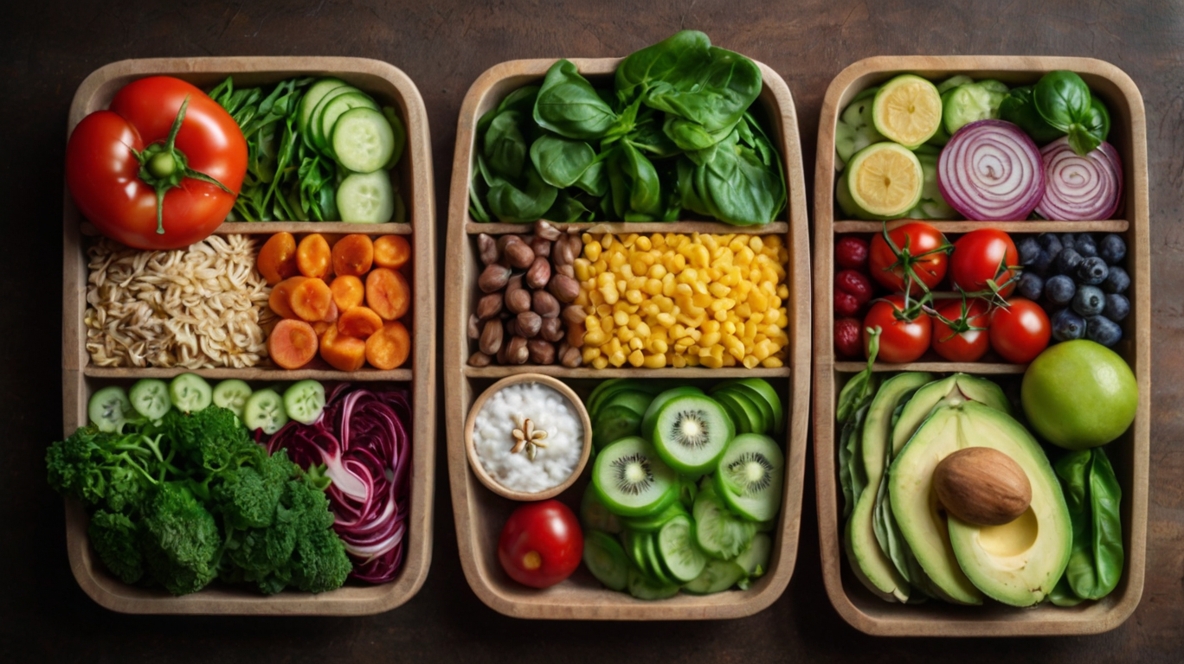
A plant-based diet focuses on foods derived from plants, including:
- Fruits
- Vegetables
- Legumes
- Nuts and seeds
- Whole grains
Unlike traditional vegan diets, which exclude all animal products, plant-based eating can vary in flexibility. Some individuals choose to incorporate occasional animal-based products, while others fully embrace veganism.
Benefits of a Plant-Based Diet
- Improved Health
- Lowers the risk of chronic diseases like heart disease, diabetes, and cancer.
- Boosts energy levels and supports weight management.
- Environmental Impact
- Reduces greenhouse gas emissions.
- Conserves water and minimizes deforestation.
- Budget-Friendly
- Plant-based meals can be cost-effective when centered around staples like rice, beans, and seasonal vegetables.
- Enhanced Digestion
- High in fiber, promoting gut health and reducing bloating.
How to Transition to a Plant-Based Diet
1. Start Gradually
Ease into the lifestyle by replacing one or two meals a week with plant-based options.
2. Stock Your Pantry
Keep essentials on hand, such as:
- Quinoa and brown rice
- Chickpeas and lentils
- Nut butters and plant-based milks
3. Explore Plant-Based Proteins
Don’t worry about protein! Excellent sources include:
- Tofu, tempeh, and edamame
- Beans and lentils
- Nuts, seeds, and quinoa
4. Plan Your Meals
Prepping meals in advance can help you avoid reaching for non-plant-based options.
5. Experiment with New Recipes
From vegan lasagna to tofu stir-fry, there are endless plant-based recipes to try.
Healthy Meal Ideas for Beginners
Breakfast
- Avocado Toast: Topped with cherry tomatoes and hemp seeds.
- Overnight Oats: Mixed with almond milk, chia seeds, and fresh berries.
Lunch
- Quinoa Salad: Packed with chickpeas, cucumbers, and a lemon-tahini dressing.
- Vegan Wraps: Filled with hummus, roasted vegetables, and spinach.
Dinner
- Lentil Curry: Served over basmati rice.
- Stuffed Bell Peppers: Filled with quinoa, black beans, and salsa.
Snacks
- Roasted chickpeas
- Sliced veggies with guacamole
- Trail mix with nuts and dried fruit
Common Myths About Plant-Based Diets
- “You won’t get enough protein.”
- Fact: Many plant-based foods are protein-rich and offer all essential amino acids.
- “It’s too expensive.”
- Fact: Staples like beans, rice, and seasonal produce are affordable.
- “It’s boring.”
- Fact: With countless cuisines and recipes, plant-based diets are far from monotonous.
Essential Tools for Plant-Based Cooking
- Blender: For smoothies, soups, and sauces.
- Spiralizer: To create veggie noodles.
- Pressure Cooker: Perfect for cooking beans and grains quickly.
Plant-Based Eating on the Go
- Pack Snacks: Carry nuts, fruit, or energy bars.
- Choose Wisely: Many restaurants now offer plant-based options.
- Read Labels: Look for hidden animal products in processed foods.