




















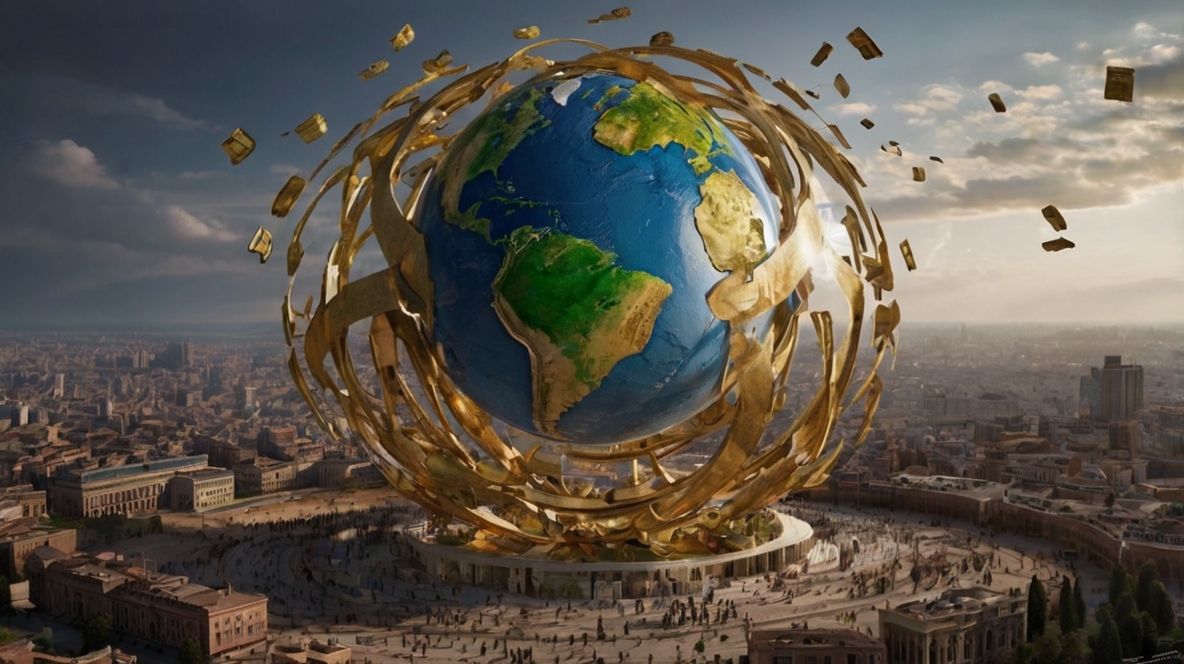
The Global Impact of Political Sanctions in 2024
In 2024, political sanctions remain one of the most powerful tools in international diplomacy. Governments and international bodies use sanctions to influence the behavior of other countries, often in response to violations of international law, human rights abuses, or destabilizing actions. While sanctions are intended to deter undesirable behaviors, they often have far-reaching consequences for both the target nation and the global community.
This blog delves into the global impact of political sanctions in 2024, exploring how they affect international relations, economies, and the geopolitical landscape.
The Evolution of Political Sanctions
Sanctions are not a new concept in global politics. From trade restrictions to asset freezes, governments and international organizations have used these measures for centuries. However, the nature and scope of political sanctions have evolved dramatically, especially in recent decades. In 2024, sanctions are more targeted, sophisticated, and frequently imposed by multi-national coalitions such as the European Union, the United States, and the United Nations.
The global landscape of political sanctions in 2024 is heavily influenced by the geopolitical power struggles between nations. While countries like the U.S. and the EU continue to wield sanctions as a means to punish countries like Russia, Iran, and North Korea, emerging powers such as China and India are challenging the effectiveness of these measures. The rise of economic interdependence and the complex web of global trade has also created new challenges for those enforcing sanctions.
Types of Political Sanctions in 2024
In 2024, political sanctions come in many forms, with varying levels of severity and objectives:
- Economic Sanctions: These are the most common and include trade restrictions, financial freezes, and blocking access to key markets. Economic sanctions often target sectors like oil, defense, and technology, with the goal of crippling a country’s economy or strategic industries.
- Diplomatic Sanctions: These sanctions typically involve breaking off diplomatic relations or limiting participation in international organizations. Diplomatic sanctions are intended to isolate the target country and pressure its leadership.
- Military Sanctions: These are measures that prevent the supply of weapons or military technology to a target nation. Military sanctions are commonly used to hinder the military capabilities of regimes engaged in conflict or aggression.
- Travel Bans: Imposed on specific individuals, such as government officials or military leaders, travel bans prevent these figures from visiting sanction-imposing countries. This can serve as a symbolic gesture of disapproval and pressure on those in power.
- Secondary Sanctions: These sanctions target third parties that do business with the sanctioned country, essentially punishing nations or companies that continue to trade with the target nation. Secondary sanctions amplify the reach and impact of primary sanctions.
The Global Impact of Political Sanctions
Political sanctions in 2024 have a profound impact on both the target countries and the wider international community. Let’s break down the key areas where these measures leave a mark.
1. Economic Consequences
One of the most direct and noticeable impacts of political sanctions is on the economy. Targeted sanctions, such as trade embargoes or asset freezes, often lead to economic downturns in the sanctioned country. In some cases, sanctions can severely disrupt the nation’s ability to import essential goods, access foreign markets, or secure financial resources.
For instance, in countries like Iran and Russia, economic sanctions have led to inflation, unemployment, and a decline in living standards for the population. However, the economic toll isn’t always one-sided. The global economy can also suffer due to disruptions in key markets, such as the energy market in the case of sanctions against oil-rich nations.
2. Geopolitical Tensions
Sanctions often exacerbate existing geopolitical tensions and create new ones. In 2024, the imposition of sanctions on Russia, for example, has not only impacted Russia’s economy but also strained relations between Western countries and emerging powers like China. Russia’s alliances with non-Western countries have deepened, leading to a more polarized global political environment.
International relations are affected by the choices countries make in imposing or adhering to sanctions. In many cases, countries such as China, India, and Turkey have found themselves in a difficult position, balancing their economic interests with their political alliances. This has led to increased diplomatic maneuvering and the formation of new coalitions to bypass sanctions or mitigate their effects.
3. Humanitarian Impact
While sanctions are often intended to punish a regime, they frequently have unintended humanitarian consequences. In countries with already fragile economies, such as Venezuela or North Korea, sanctions can worsen food shortages, limit access to medical supplies, and contribute to a decline in public health.
In 2024, humanitarian organizations and human rights advocates are increasingly raising concerns about the impact of economic sanctions on civilian populations. There is growing pressure on governments and international bodies to design sanctions that minimize harm to ordinary people while still achieving the desired political outcome.
4. Diplomatic Isolation vs. Engagement
Sanctions are often used to isolate a nation diplomatically. However, in 2024, the effectiveness of isolation is being questioned. While sanctions may force governments to re-evaluate their policies, they can also encourage countries to strengthen ties with other non-Western powers or turn inward. In some cases, sanctioned nations seek to engage with countries that are less likely to adhere to global sanctions regimes, such as those in the Global South or other authoritarian states.
The debate continues about whether sanctions should be a tool of diplomatic engagement or whether they should simply aim to isolate and punish. Sanctioned nations like Iran have attempted to negotiate through backdoor diplomacy, and the results have sometimes led to partial sanctions relief.
The Future of Political Sanctions: Evolving Strategies
The global impact of political sanctions in 2024 raises critical questions about their long-term effectiveness. As the global economy becomes more interconnected, bypassing sanctions has become easier, especially for countries with alternative trade partners or access to digital currencies.
Some experts argue that for sanctions to be effective in the future, they will need to be part of a broader multilateral strategy that includes diplomatic engagement, support for civil society, and pressure on human rights abuses. As emerging economies become more vocal in opposing sanctions, there may also be shifts in the global power dynamics that render unilateral sanctions less effective.
Furthermore, advancements in technology and global finance may create new ways for sanctioned nations to evade restrictions, such as through the use of cryptocurrencies or secret trade routes. This calls for new methods of monitoring and enforcement to ensure sanctions remain an effective tool of diplomacy.