




















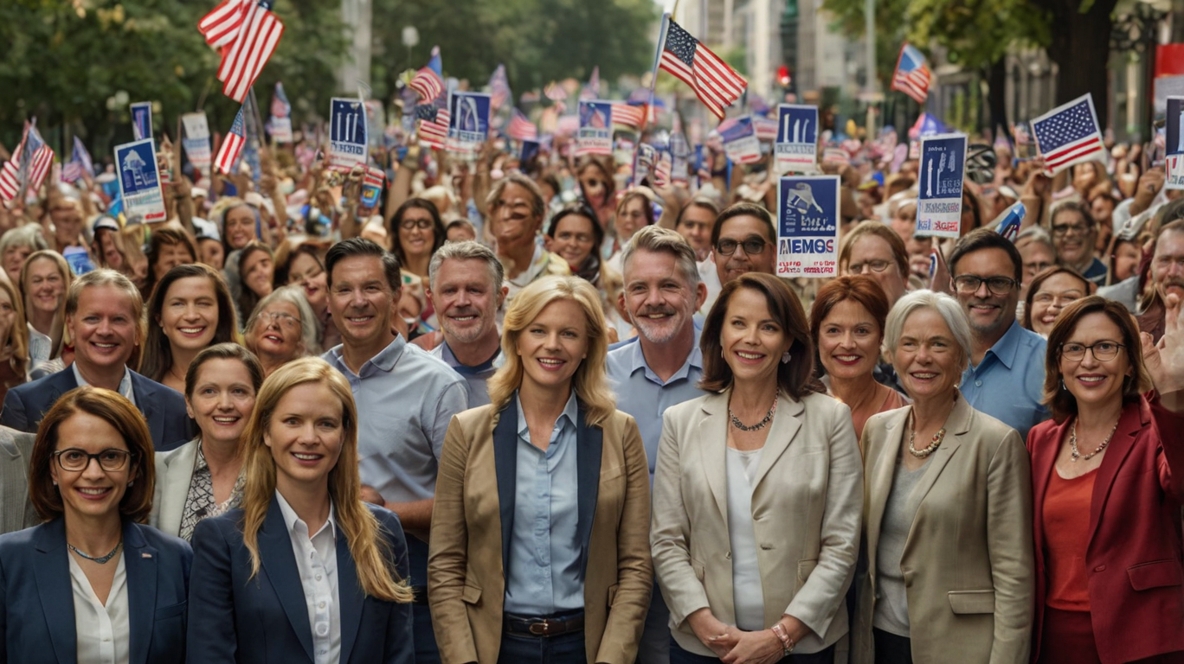
Political Campaigns in the Digital Age: A 2024 Perspective
The rise of digital campaigns has fundamentally changed the way political leaders connect with voters, raise funds, and influence public opinion. As we enter 2024, politics in the digital age is evolving faster than ever, driven by advances in social media, data analytics, and digital marketing technologies. The impact of these changes on political marketing cannot be overstated, as campaigns increasingly rely on digital tools to mobilize voters and shape political discourse.
In this article, we will explore the key trends in digital campaigns for the upcoming elections in 2024, the role of technology in modern political marketing, and how candidates are adapting to the new digital landscape.
The Rise of Digital Campaigns: The New Era of Political Marketing
In recent years, the power of the internet and social media platforms has made political campaigns more interactive, engaging, and data-driven. In 2024, digital campaigns will continue to dominate the political landscape, with candidates leveraging innovative tools to reach voters, especially younger generations. Traditional methods of campaigning, such as door-to-door canvassing and TV ads, are being complemented (and in some cases replaced) by digital strategies that allow for more targeted and efficient outreach.
Why Digital Campaigns Are So Powerful
- Targeted Messaging: One of the biggest advantages of digital campaigns is the ability to target specific groups of voters with tailored messages. By utilizing data analytics and micro-targeting, political campaigns can now segment voters based on their interests, demographics, and past behaviors. This enables campaigns to deliver more relevant content and increase engagement.
- Social Media Influence: Social media platforms like Facebook, Twitter, Instagram, and TikTok have become key battlegrounds for political campaigns. Candidates use these platforms to share their messages, engage with followers, and even hold virtual town halls. Social media influencers also play a significant role, amplifying political messages to wide audiences.
- Cost-Effective: Compared to traditional advertising on TV, print, and radio, digital marketing is often more cost-effective. It allows campaigns to allocate their budgets more efficiently, especially for reaching niche groups of voters. Social media ads, email marketing, and digital video ads are all cheaper alternatives to traditional media campaigns.
- Real-Time Feedback and Engagement: Digital campaigns allow for real-time feedback and engagement with voters. Through social media comments, online surveys, and interactive tools, candidates can gauge public opinion almost instantly. This immediate feedback allows campaigns to adjust their messaging and strategies as needed.
The Growing Importance of Data Analytics in Digital Campaigns
Data analytics plays an increasingly vital role in the success of political campaigns in the digital age. By harnessing vast amounts of voter data, campaigns can make data-driven decisions to maximize their reach and impact. Key areas where data analytics is making a difference include:
- Voter Segmentation: Campaigns can analyze demographic data, voting history, and online behavior to segment voters into specific groups. For example, a campaign might target young voters with climate change policies or reach out to undecided voters with tailored messages.
- A/B Testing: With digital platforms, political campaigns can run A/B tests on ads, messages, and content to see which versions resonate best with voters. This level of testing and optimization was previously not possible with traditional campaign strategies.
- Predictive Analytics: Using data models, campaigns can predict voting behavior, track engagement trends, and even identify potential supporters who need to be targeted for turnout. These predictive tools help campaigns allocate resources more effectively.
- Micro-Targeting: Instead of casting a wide net, digital campaigns use micro-targeting to deliver customized content to specific segments of the population. Whether it’s through Facebook ads or Google search campaigns, the use of micro-targeting allows candidates to deliver hyper-relevant content to individual voters.
The Role of Social Media in Political Campaigns
Social media is a cornerstone of modern political marketing. In 2024, we expect social media platforms to play an even more prominent role in political campaigns, with candidates seeking to maximize their reach on both established and emerging platforms. Here are some key ways social media is reshaping political campaigns:
1. Increased Direct Engagement with Voters
Gone are the days when political leaders only spoke to voters through one-way communication channels like TV and radio. Social media enables direct engagement with voters, allowing candidates to respond to questions, comment on issues, and even debate opponents in real-time. This level of interaction builds a sense of transparency and authenticity, which can improve voter trust.
2. Influencer and User-Generated Content
In 2024, social media influencers will continue to have a significant impact on political campaigns. Political candidates often collaborate with popular influencers to reach younger and more diverse audiences. In addition, user-generated content—where ordinary citizens share their opinions and experiences—has become a valuable tool for building momentum and spreading political messages organically.
3. Live Streaming and Virtual Events
Social media platforms like Facebook Live, Instagram Live, and YouTube have made it possible for candidates to host virtual events, town halls, and live Q&A sessions. These events allow campaigns to interact with voters who may not be able to attend in-person rallies, while also engaging global audiences in real-time.
4. Mobilizing Voters and Fundraising
Social media provides an effective platform for voter mobilization and fundraising. Candidates can use platforms to organize grassroots campaigns, encourage voter turnout, and raise money through digital donations. In 2024, expect to see more campaigns using crowdfunding and peer-to-peer fundraising tools, as well as digital petitions and events that drive both engagement and contributions.
5. Combating Misinformation and Fake News
With the rise of fake news and misinformation, political campaigns in 2024 will have to actively combat the spread of false information. Social media platforms have already introduced fact-checking tools and measures to limit the spread of misleading content, but campaigns will also invest in digital literacy efforts to educate voters on how to identify and avoid misinformation.
The Ethical Dilemmas of Digital Political Campaigns
While digital campaigns have revolutionized political marketing, they also raise several ethical questions. In 2024, these concerns are likely to become more pressing:
- Data Privacy: With the increasing use of voter data for micro-targeting, there are growing concerns about data privacy. How much information should campaigns have access to, and how should they use it ethically?
- Manipulation and Disinformation: The power of digital platforms to spread disinformation and influence elections has been well-documented. In 2024, political campaigns will need to address the risks of exploiting digital platforms for manipulative tactics, such as deepfakes or bot-driven propaganda.
- Polarization and Echo Chambers: Digital platforms often promote content that aligns with users’ existing beliefs, creating echo chambers and contributing to political polarization. Campaigns may need to adopt strategies to bridge divides rather than exacerbate them.