




















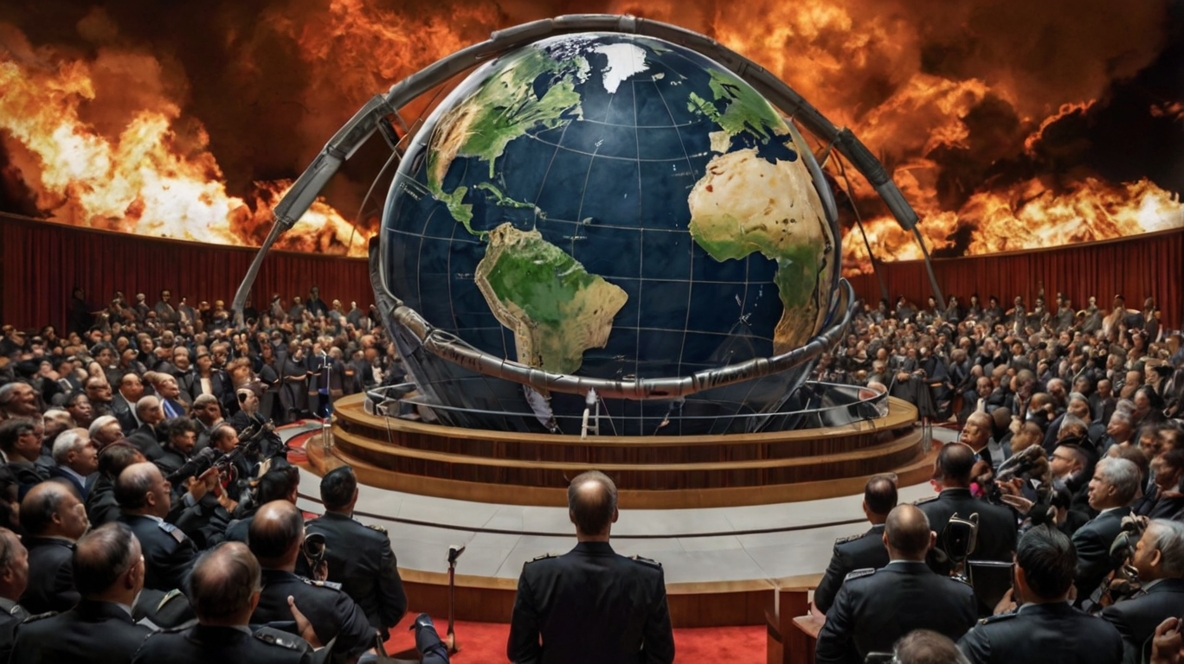
The Rise of Authoritarianism in Global Politics in 2024: A Threat to Democracy
In recent years, global politics has been marked by a disturbing trend: the rise of authoritarianism. As we enter 2024, many countries that were once seen as democratic stalwarts are increasingly adopting authoritarian measures, undermining democratic norms and institutions. This shift raises important questions about the future of global politics and the health of democracy around the world.
This article delves into the rise of authoritarianism in global politics, examining the forces at play, the countries most affected, and the implications for democratic governance in 2024 and beyond.
Understanding Authoritarianism: What Does It Mean for Global Politics?
At its core, authoritarianism refers to a political system where power is concentrated in the hands of a single leader or a small group, often characterized by limited political freedoms, suppressed opposition, and a lack of checks and balances. While authoritarian regimes come in many forms, they share certain traits:
- Centralization of Power: Power is concentrated in the hands of a single leader or small elite, with limited room for political dissent.
- Suppression of Political Opposition: Political opponents, media outlets, and activists who challenge the status quo are often silenced through censorship, imprisonment, or violence.
- Erosion of Democratic Institutions: Constitutional safeguards, such as judicial independence, free press, and civil liberties, are often undermined.
In 2024, these traits are becoming more evident in countries across the globe, where authoritarian leaders are exploiting crises, economic instability, or political polarization to consolidate power.
Key Drivers of Authoritarianism in 2024
Several factors contribute to the rise of authoritarianism in 2024, each intertwined with the broader forces shaping global politics. These include:
1. Economic Discontent and Inequality
The growing gap between the rich and poor, combined with economic instability, has created fertile ground for populist authoritarian leaders. Many authoritarian leaders exploit economic grievances, promising solutions that bypass democratic processes in favor of more centralized control.
- Example: In countries like Brazil and Turkey, authoritarian leaders have capitalized on economic crises to push for policies that limit individual freedoms in exchange for promises of prosperity and national pride.
2. Weakening of Democratic Norms
In many countries, long-standing democratic traditions are being eroded, often through the gradual consolidation of power by political leaders who chip away at democratic checks and balances. In 2024, populist rhetoric has made it easier for these leaders to justify attacks on independent institutions, such as the judiciary or the press.
- Example: In countries like Hungary and Poland, leaders have systematically weakened democratic institutions, including judicial independence and media freedom, in the name of national security and cultural preservation.
3. Technological Surveillance and Control
In the digital age, authoritarian regimes have developed increasingly sophisticated methods to monitor and control populations. The widespread use of surveillance technologies, such as facial recognition, internet censorship, and state-controlled social media, has given these regimes an edge in maintaining power.
- Example: China’s social credit system and heavy surveillance in cities like Xinjiang serve as examples of how technology is being used to control and suppress dissent in an authoritarian state.
4. Polarization and Populism
Political polarization has created an opening for authoritarian figures who position themselves as strong leaders capable of unifying a divided populace. This often involves scapegoating marginalized groups, undermining democratic institutions, and creating an “us vs. them” narrative.
- Example: The election of populist leaders in countries like India and the United States has led to an increase in divisive politics, with populist rhetoric that challenges democratic norms.
Countries Leading the Charge: Authoritarianism in Action
In 2024, several countries stand out as key examples of authoritarian shifts in global politics. These regimes not only undermine democratic values but also set dangerous precedents for other nations considering similar paths.
Russia: Consolidating Power under Putin
Under President Vladimir Putin, Russia has long been a symbol of authoritarian rule. In 2024, the government continues to clamp down on political opposition, with prominent figures like Alexei Navalny being silenced or imprisoned. Media outlets critical of the regime are shut down, and the Kremlin has extended its control over state-run media to ensure the narrative is tightly controlled.
China: The Perfect Authoritarian State
China, under President Xi Jinping, is a leading example of modern authoritarianism. The Chinese government has not only strengthened its control over the economy and military but has also implemented a comprehensive surveillance state, restricting access to free information and suppressing political dissent through measures like the Great Firewall of China.
Hungary: The Erosion of Democracy in the EU
In Europe, Hungary under Prime Minister Viktor Orbán has seen significant democratic backsliding. Orbán has used his position to dismantle democratic institutions, consolidate power, and curtail press freedoms, all while positioning himself as a defender of national sovereignty against foreign influence.
Turkey: Erdoğan’s Authoritarian Drift
In Turkey, President Recep Tayyip Erdoğan has increasingly adopted authoritarian measures, including purging the judiciary, silencing the media, and restricting political freedoms. Despite being a NATO member, Turkey’s political system has shifted dramatically toward autocratic rule under Erdoğan’s leadership.
The Impact of Authoritarianism on Global Politics
The rise of authoritarianism has far-reaching consequences for global politics. It not only threatens the values of democracy but also shifts the global balance of power. As more countries embrace authoritarian regimes, global cooperation on critical issues such as climate change, trade, and security becomes more difficult.
1. Erosion of Global Alliances
Democratic nations have historically relied on alliances and multilateral cooperation to address global challenges. However, as more nations tilt toward authoritarianism, these alliances may become strained. Countries like the United States, the European Union, and India face growing tensions as authoritarian regimes challenge international norms.
2. Human Rights Violations
Authoritarian governments are often associated with human rights abuses, including the suppression of free speech, religious persecution, and the imprisonment of political dissidents. In 2024, global human rights organizations are under increasing pressure to address the violations occurring in authoritarian regimes.
3. Increased Geopolitical Tensions
As authoritarian leaders rise to power, geopolitical tensions escalate. Nations like Russia and China challenge Western political dominance, pushing their own agendas on the world stage. This has led to increased competition for influence in global institutions, military alliances, and economic markets.