




















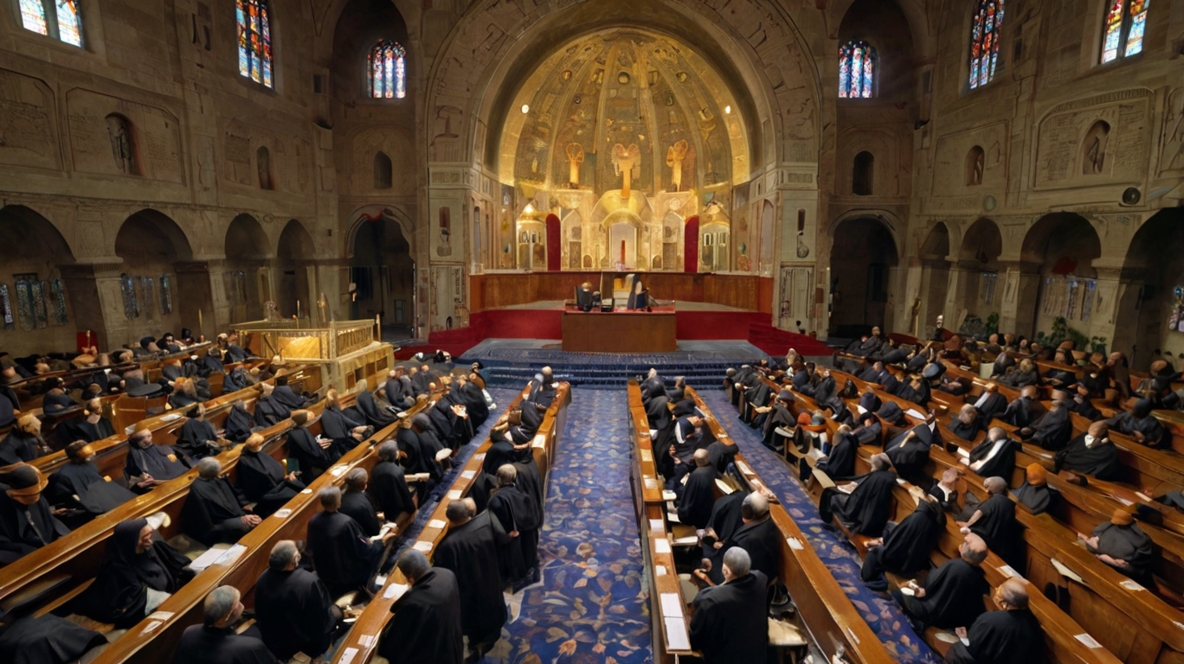
The Role of Religion in Politics: A 2024 Perspective on Political Influence and Governance
As we enter 2024, the intersection of religion and politics remains a powerful force in shaping global governance. Across the world, religious beliefs continue to play a critical role in influencing political decisions, policy-making, and even electoral outcomes. From the Middle East to the Americas, religion not only serves as a foundation for personal beliefs but also as a driving force in the political arena.
In this article, we explore the evolving role of religion in politics, its influence on contemporary governance, and the challenges and opportunities it presents in 2024.
The Intersection of Religion and Politics: A Global Phenomenon
Religion and politics have been intertwined for centuries, from theocratic states to religious movements influencing political agendas. In 2024, the influence of religion continues to grow in different regions, with governments increasingly relying on religious narratives to mobilize voters, shape laws, and justify policy decisions. The relationship between religion and politics varies significantly by region, culture, and the structure of each political system, but one common thread is clear: religious beliefs shape political outcomes.
1. Religious Movements and Political Identity
In many countries, religious movements have become central to political identity. Political leaders use religious rhetoric to connect with voters, evoke cultural values, and legitimize their governance. For instance, in countries like India, Israel, and Turkey, religious identity has become deeply tied to nationalism and political ideology, affecting everything from social policies to international relations.
In India, for example, the rise of Hindu nationalism under Prime Minister Narendra Modi has shifted the political landscape, with religious identity playing a significant role in defining political discourse. In Turkey, President Recep Tayyip Erdoğan has increasingly used Islamic rhetoric to consolidate power and shape policies that reflect Islamic values, even as the country historically had a secular constitution.
In Israel, religion plays a central role in the political arena, with religious parties often holding significant sway over policy decisions related to Jewish identity, settlements, and relations with Palestine. As we approach 2024, the role of religious movements in shaping national identities and political systems is only expected to grow.
2. Religion as a Tool for Political Mobilization
Religious institutions and leaders have long been instrumental in political mobilization. In countries with significant religious majorities, such as the United States, Brazil, and the Philippines, political candidates often seek the endorsement of religious groups to gain votes. In 2024, religious leaders will continue to exert influence, using their platforms to encourage followers to vote for candidates or support policies that align with religious teachings.
In Brazil, for example, Evangelical Christianity has gained political power, significantly impacting the elections and policies of right-wing politicians like Jair Bolsonaro. Similarly, in the Philippines, Catholicism plays a significant role in shaping political platforms, with the church often acting as a key player in the country’s political decisions.
3. Religion in Lawmaking and Governance
Religion’s impact on governance in 2024 goes beyond mobilization and rhetoric; it extends to actual policy-making. In many countries, religious values are directly embedded in the law. This can be seen in issues such as abortion rights, same-sex marriage, gender equality, and blasphemy laws, where religious doctrine often shapes legislation.
In Saudi Arabia and Iran, Islamic law (Sharia) is integral to the legal framework, guiding everything from criminal justice to family law. These countries continue to influence global politics by using religion to justify their political systems and governance structures.
In the United States, Christian values continue to shape debates over social issues. For instance, the debate over abortion has taken center stage in American politics, with Christian conservatives pushing for the reversal of Roe v. Wade and advocating for restrictions on abortion. As 2024 approaches, the influence of religious conservatism on U.S. politics is set to intensify, especially with the potential for new Supreme Court rulings on religious liberty and social policies.
4. Religious Conflicts and International Relations
Religion continues to influence not only domestic politics but also international relations. Religious differences have fueled conflicts and diplomatic tensions for centuries, and in 2024, these tensions remain a major factor in geopolitics. Interfaith dialogue and religious diplomacy have become important tools for addressing global issues, but religiously motivated conflicts continue to destabilize regions such as the Middle East and South Asia.
The Israeli-Palestinian conflict is one of the most prominent examples of religion’s role in international politics. Both Jewish and Muslim religious narratives are central to the dispute, influencing not only the political situation but also international diplomatic efforts. As the conflict persists, religion remains a critical lens through which nations approach Middle Eastern diplomacy.
Similarly, religious tensions between Hindu and Muslim communities in India and Pakistan have long been a source of political and military tension in South Asia. These religious divides continue to impact regional stability and shape foreign policy decisions.
5. Secularism vs. Religious Influence in Governance
In 2024, debates surrounding secularism versus religious influence in governance are particularly relevant. Secular countries, such as France, Turkey, and the United States, are grappling with the challenges of balancing religious freedom with the need to separate religion from political governance. The rise of religious populism in many countries threatens the secular ideals that have underpinned modern democratic systems.
In France, for instance, the debate over Islamic veils in schools and public spaces has led to tensions between religious freedom and secularism. Similarly, in Turkey, President Erdoğan’s increasing incorporation of Islamic values into state policies has sparked a larger debate over whether the country should return to its secular roots or embrace a more religiously oriented governance.
Secularism remains an important principle in many democratic systems, but the rise of religious populism in global politics is challenging the traditional boundaries between church and state.
6. Religious Influence in the 2024 U.S. Elections
In the United States, religion plays a central role in shaping political discourse. Evangelical Christians, in particular, continue to hold significant influence over the Republican Party. As the 2024 presidential elections approach, religious issues such as abortion, LGBTQ+ rights, and religious freedom will likely take center stage. Candidates will likely seek to align themselves with religious voters, and religious rhetoric will be a key component of campaign strategies.
With the recent Supreme Court decision overturning Roe v. Wade, religious conservatives are mobilizing to push for further restrictions on abortion and other social issues. This will undoubtedly shape the political landscape in 2024, making religion a key factor in determining the outcome of the election.
The Future of Religion and Politics in 2024 and Beyond
As we approach 2024, the role of religion in politics is poised to continue evolving. While the relationship between religion and politics has always been complex, modern challenges—including globalization, the rise of religious populism, and shifting social values—are likely to intensify debates over the role of religion in governance.
Religious movements will continue to shape political identities, influence policy-making, and drive international relations. Yet, the tension between secularism and religious influence will remain a central issue in many democratic societies. How governments balance religious freedom with the demands of governance will be a defining feature of global politics in 2024 and beyond.
In conclusion, the role of religion in politics is not only an issue of the past but a powerful force that will continue to shape the future of global governance in 2024 and beyond. Whether as a tool for political mobilization, a source of conflict, or a guiding principle in policymaking, religion will remain a central feature of political discourse across the world.