




















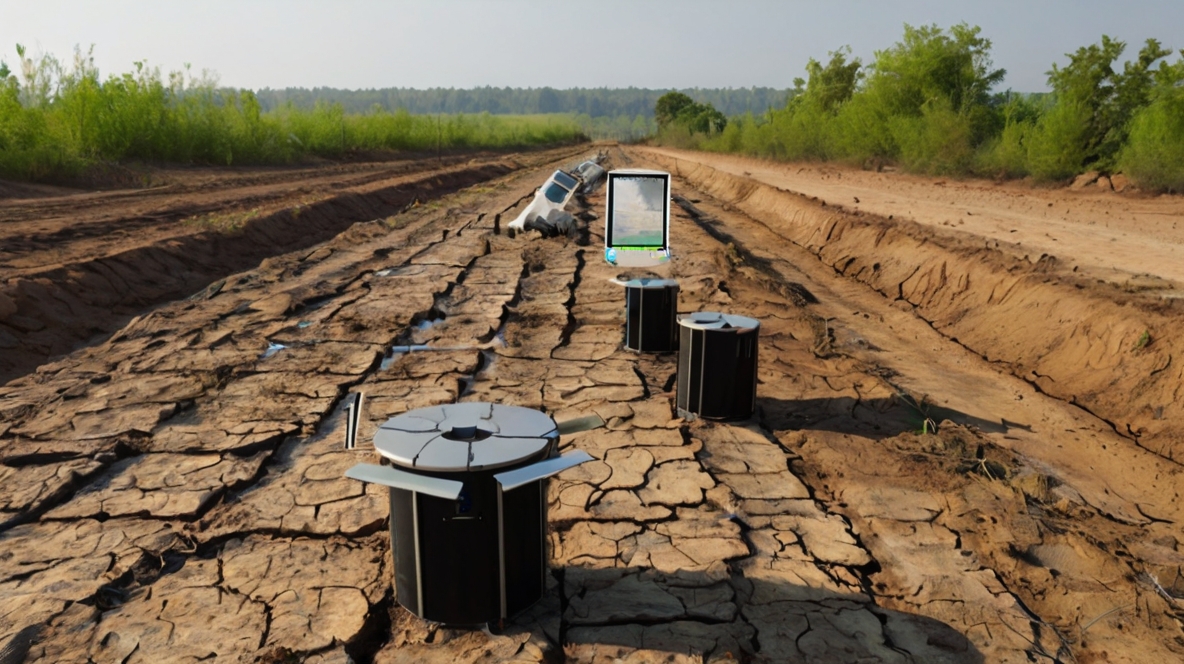
Climate change is one of the most pressing challenges of our time, with far-reaching implications for our planet and future generations. As global temperatures rise and extreme weather events become more frequent, the urgency to mitigate climate change has never been greater. The Role of Technology, often seen as a double-edged sword in environmental discussions, plays a pivotal role in both exacerbating and mitigating climate change. Here, we explore how technology can be harnessed as a powerful tool in the fight against climate change.
Understanding Climate Change
Before delving into the role of technology, it’s crucial to grasp the fundamentals of climate change. Human activities, such as burning fossil fuels, deforestation, and industrial processes, release greenhouse gases (GHGs) like carbon dioxide (CO2) into the atmosphere. These gases trap heat, leading to a warming effect known as the greenhouse effect. The consequences include rising sea levels, melting glaciers, disrupted ecosystems, and more frequent and intense weather events.
Technology’s Contribution to Climate Change
Historically, technology has been a significant contributor to climate change. Industrialization, powered by fossil fuels, accelerated economic growth but also increased GHG emissions. The widespread adoption of cars, planes, and other forms of transportation further intensified carbon emissions. Moreover, deforestation driven by agricultural expansion and urbanization has reduced carbon sinks, exacerbating the problem.
Technology as a Solution
While technology has played a role in creating the climate crisis, it also holds immense potential to mitigate its effects. Here are several ways technology is being leveraged:
- Renewable Energy: Advances in solar, wind, hydro, and geothermal technologies have made renewable energy sources competitive with fossil fuels. Transitioning to renewable energy reduces reliance on carbon-intensive fuels and cuts GHG emissions.
- Energy Efficiency: Technologies that improve energy efficiency in buildings, transportation, and industries help reduce overall energy consumption and carbon footprints. Smart meters, LED lighting, and electric vehicles exemplify this trend.
- Carbon Capture and Storage (CCS): CCS technologies capture CO2 emissions from power plants and industrial processes before they reach the atmosphere. The captured CO2 is then transported and stored underground or used in industrial applications.
- Climate Monitoring and Modeling: Advanced satellites, sensors, and computer models enable scientists to monitor climate patterns, predict changes, and develop informed policies and strategies for adaptation and mitigation.
- Circular Economy: Technology facilitates the transition to a circular economy where resources are used more efficiently, waste is minimized, and products are designed for longevity and recyclability.
- Climate Finance and Blockchain: Blockchain technology is being explored for transparent and efficient climate finance, enabling better tracking of investments in climate-friendly projects and carbon markets.
Challenges and Considerations
Despite its potential, technology alone cannot solve the climate crisis. Several challenges and considerations include:
- Cost and Accessibility: Many clean technologies remain costly and inaccessible to developing countries, hindering widespread adoption.
- Policy and Regulation: Effective policies and regulations are essential to incentivize the adoption of clean technologies and discourage carbon-intensive practices.
- Ethical and Social Implications: The deployment of certain technologies, such as geoengineering, raises ethical and social concerns that must be carefully evaluated.