




















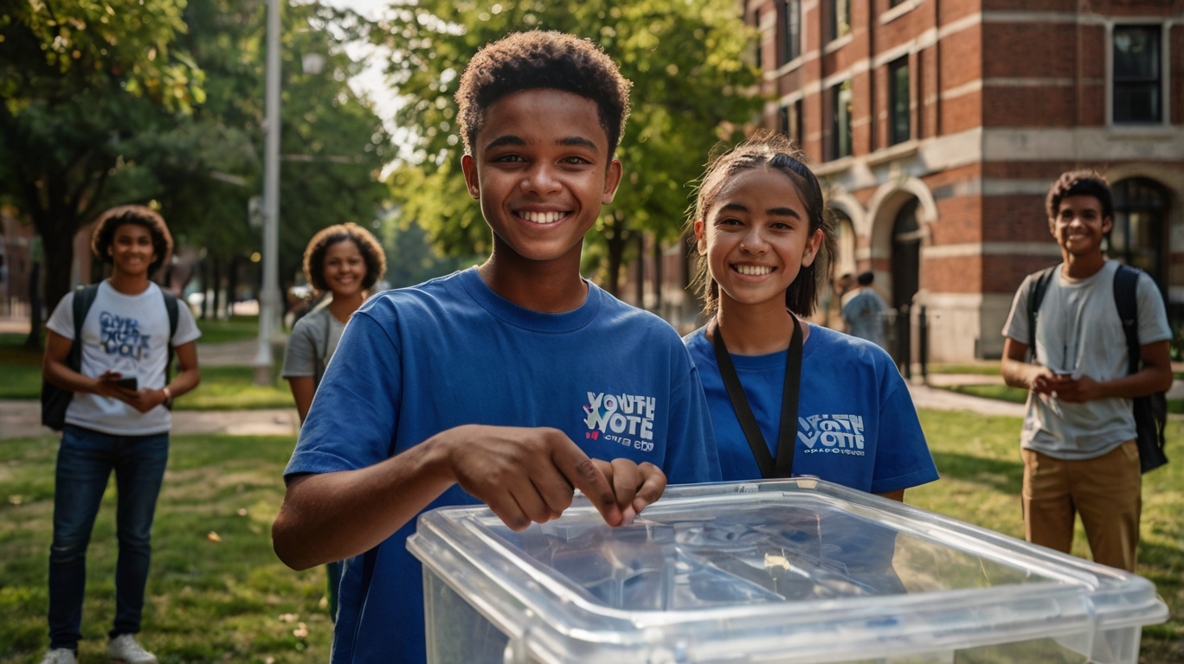
How the Youth Vote is Shaping Political Outcomes in 2024: The Power of Young Voters
In the rapidly evolving political landscape of 2024, the youth vote has emerged as one of the most powerful and influential forces in determining electoral outcomes. Young voters, typically defined as those between the ages of 18 and 34, represent a dynamic and growing demographic whose political preferences are reshaping the way elections are contested, fought, and won. From local elections to national campaigns, the youth vote in 2024 is not something that can be ignored by candidates, political parties, or governments.
But what exactly is driving this trend, and how is the engagement of young people influencing political outcomes around the world? In this article, we’ll explore the growing significance of young voters, key issues they care about, and how their collective voice is having a profound impact on the political scene in 2024.
The Rise of the Youth Vote in 2024
The youth vote has always been an important segment of the electorate, but in recent years, the political influence of young voters has dramatically increased. According to research and voter turnout statistics, young people have become more politically engaged, mobilized, and willing to make their voices heard through the power of their vote.
Key Factors Driving Youth Engagement:
- Social Media and Digital Campaigns: The rise of digital platforms, from Twitter to TikTok, has allowed political candidates to engage directly with younger voters. Social media has become a vital tool for organizing, campaigning, and spreading political messages that resonate with young people.
- Global Movements: Youth-driven movements such as Fridays for Future (climate change), Black Lives Matter (racial justice), and March for Our Lives (gun control) have empowered young people to take a stand on critical issues. These movements have become major catalysts for political engagement, particularly among younger demographics.
- Political Polarization: Many young people feel disillusioned with traditional political systems and parties. This has led to a rise in activism and the support of candidates who challenge the status quo, pushing for progressive policies on issues like climate change, social justice, and economic inequality.
The Issues that Matter to Young Voters in 2024
Understanding the issues that resonate with young voters is essential to understanding how the youth vote in 2024 is shaping political outcomes. These issues often reflect broader societal concerns and global challenges that impact the younger generation most directly. Below are some of the key issues driving youth engagement in politics:
1. Climate Change and Environmental Justice
Perhaps no issue matters more to young voters than climate change. According to polling data, climate change is the top priority for young people globally, with many seeking bold action from political leaders to combat the environmental crisis. Candidates who are seen as championing green policies, advocating for clean energy, and promoting sustainability are often rewarded with strong support from younger voters.
2. Social Justice and Equality
Young voters are more likely to prioritize issues of social justice, including racial equality, LGBTQ+ rights, gender equity, and income inequality. Movements such as Black Lives Matter and campaigns for transgender rights have galvanized young people to become more active in the political process, pushing candidates to take strong, progressive stances on civil rights issues.
3. Student Debt and Economic Mobility
Economic issues, particularly the burden of student debt, are a growing concern for young voters. With rising tuition costs and stagnant wage growth, many young people are advocating for policies that ease their financial burdens, such as student loan forgiveness and affordable education. Universal basic income and job creation initiatives also rank highly among the economic issues young people care about.
4. Healthcare Access
In 2024, healthcare remains a top concern for young voters, particularly in countries like the U.S., where access to affordable healthcare continues to be a contentious political issue. Young people are increasingly supporting candidates who advocate for universal healthcare or policies that ensure healthcare is affordable and accessible for all, regardless of income or background.
5. Global Politics and Human Rights
With global movements for human rights, refugee rights, and democracy making headlines, many young voters are driven by concerns about international justice and the promotion of democratic values. Young people are increasingly involved in advocacy for human rights both at home and abroad, urging politicians to take stances on issues like migration, foreign intervention, and the global fight against authoritarianism.
The Impact of the Youth Vote in 2024 Elections
In 2024, young voters are set to have a critical impact on elections at every level. From presidential races to local elections, their ability to sway results cannot be overstated. Below are some of the key ways in which the youth vote is influencing political outcomes in 2024:
1. Turning Out the Vote
Recent elections, such as the 2020 U.S. presidential election, demonstrated the power of the youth vote in swinging key battleground states. In the U.S., young voters were crucial in tipping the balance in favor of Joe Biden, particularly in states like Arizona, Georgia, and Michigan. In 2024, this trend is expected to continue, as young people turn out in record numbers to influence the direction of the country.
Globally, youth turnout in elections has also been on the rise, with young voters showing up at the polls in countries like India, the UK, and Brazil. Their engagement is often driven by a desire for progressive change and a deep mistrust of traditional political elites.
2. Electing Young Leaders
In addition to voting, young people are also running for office themselves. In many countries, there is a rising tide of young candidates challenging the status quo and offering fresh perspectives on governance. This shift is creating a new wave of young political leaders who are often more aligned with the values and priorities of the younger generation.
For example, Alexandria Ocasio-Cortez in the United States and Gabriel Boric in Chile represent the rise of young, progressive leaders who are setting the political agenda for a new generation. These leaders are driving conversations about climate action, social justice, and economic reform, directly appealing to younger voters.
3. The Influence of Social Media
Social media has become an essential tool in shaping political discourse and amplifying youth voices. Platforms like TikTok, Instagram, and Twitter enable young voters to mobilize, share political content, and advocate for the causes they care about. Political candidates in 2024 are increasingly leveraging social media to engage with younger voters, recognizing that online presence is vital for winning their support.
The hashtag activism seen in recent years has turned social media platforms into spaces for political campaigns and discussions, with young voters leading the charge. Political movements and protests have often been organized through these digital platforms, making it easier for young people to stay informed, share ideas, and take action.
4. Voter Mobilization and Grassroots Campaigns
Youth-led organizations and grassroots movements have become a driving force in political campaigns, pushing for higher voter turnout and challenging political systems that fail to address the needs of younger generations. Activists are using innovative methods, such as peer-to-peer mobilization, to encourage their peers to vote and get involved in the political process.