




















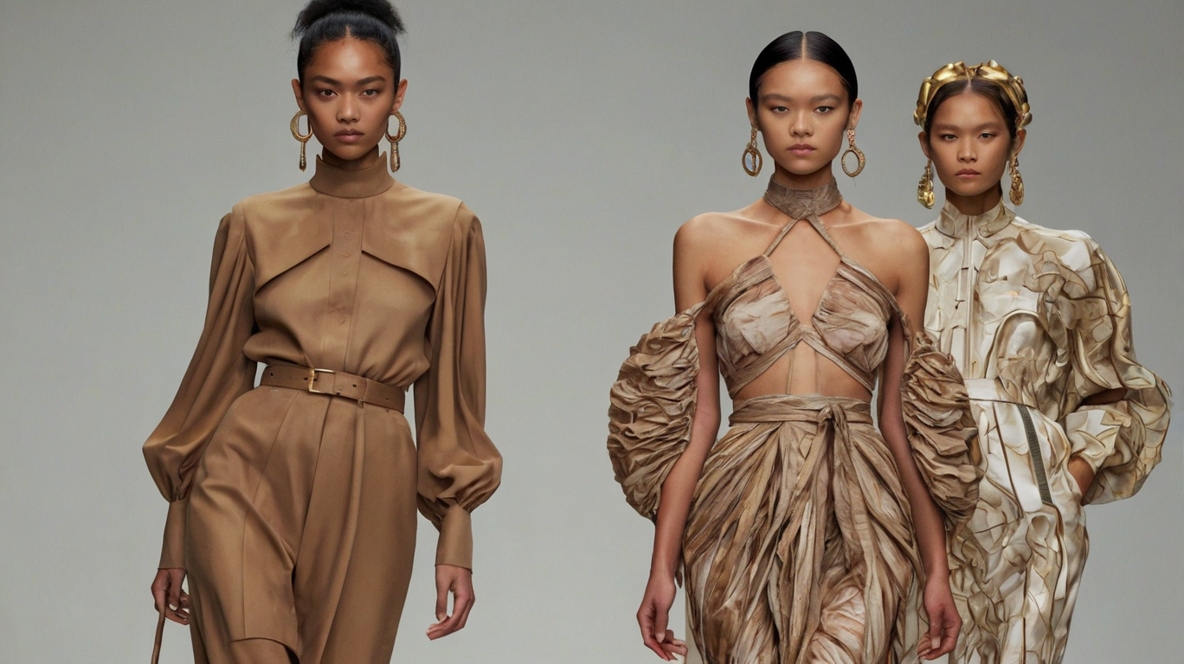
How to Master Sustainable Fashion in 2024: Eco-Friendly & Ethical Trends You Need to Know
The world of fashion is evolving, and in 2024, sustainability is at the forefront. As environmental concerns grow, consumers are becoming increasingly aware of the impact their fashion choices have on the planet. From eco-friendly fabrics to ethical production practices, mastering sustainable fashion is not only good for the environment but also a smart, stylish choice for the modern shopper.
In this article, we’ll explore how you can embrace sustainable fashion in 2024, along with the top eco-friendly and ethical trends to watch. Whether you’re looking to refresh your wardrobe or take a more conscious approach to your shopping habits, this guide will help you navigate the world of sustainable style.
1. Understand the Importance of Sustainable Fashion in 2024
Sustainable fashion has evolved from being a niche market to a mainstream movement. In 2024, it’s not just about reducing waste—it’s about adopting practices that support the planet and its people.
Key factors driving the change in fashion include:
- Environmental Impact: The fashion industry is one of the largest polluters in the world, contributing significantly to carbon emissions, water waste, and microplastic pollution. Choosing sustainable fashion helps reduce this impact.
- Ethical Practices: Consumers are increasingly concerned with the treatment of workers in the garment industry. Ethical fashion prioritizes fair wages, safe working conditions, and transparency in production.
- Longevity and Quality: Sustainable fashion promotes the idea of investing in high-quality items that last longer, reducing the need for constant shopping and disposal of cheap, disposable clothing.
2. Eco-Friendly Fabrics: A Must-Know Trend for 2024
In 2024, eco-friendly fabrics are more accessible than ever, and they are a central part of the sustainable fashion movement. Here are some of the most popular materials to look for:
- Organic Cotton: Grown without synthetic pesticides or fertilizers, organic cotton uses less water and is better for the environment.
- Hemp: A highly sustainable material, hemp requires little water, pesticides, or synthetic fertilizers to grow. It’s durable and naturally resistant to mildew, making it a long-lasting choice.
- Tencel (Lyocell): Made from sustainably sourced wood pulp, Tencel is biodegradable and produced in a closed-loop process that recycles water and solvents.
- Recycled Fabrics: Fabrics made from recycled materials, such as PET (plastic bottles) or upcycled textiles, help reduce waste and give new life to materials that would otherwise end up in landfills.
- Cork Fabric: A vegan alternative to leather, cork fabric is made from the bark of cork trees, a renewable resource that requires no tree cutting.
3. Ethical Fashion: Supporting Fair Labor Practices
Ethical fashion focuses on ensuring that the people behind your clothes are paid fair wages, work in safe conditions, and are treated with respect. This is a key part of sustainable fashion in 2024, and more brands are embracing transparency in their production processes.
Some steps to support ethical fashion include:
- Researching Brands: Look for brands that are transparent about their supply chain, labor practices, and certifications (such as Fair Trade or GOTS for organic textiles).
- Shopping Local or Small-Scale: Local artisans and small ethical brands often prioritize fair wages and ethical labor practices. Buying from them supports both the community and ethical fashion.
- Opting for Slow Fashion: Slow fashion advocates for fewer, more meaningful purchases, focusing on items that will last a long time and avoid exploitative production practices.
4. 2024 Fashion Trends: Eco-Friendly & Sustainable Styles
Sustainable fashion doesn’t mean sacrificing style. In fact, 2024 brings a variety of chic, eco-conscious trends that are both fashionable and environmentally friendly. Here are some of the key trends to look out for:
- Upcycled and Vintage Pieces: With the rise of thrifting and upcycling, 2024 will see a continued trend of second-hand shopping. Vintage stores, online thrift platforms, and upcycled collections are gaining popularity, offering unique, sustainable fashion options.
- Timeless, Gender-Neutral Pieces: Instead of chasing fast trends, many fashion-forward individuals are opting for versatile, timeless pieces that can be worn by anyone, reducing the need for excessive consumption.
- Bold, Natural Dyes: As more brands look to reduce their environmental footprint, natural dyes from plants, minerals, and insects are making a comeback in 2024. These dyes are non-toxic and biodegradable, reducing pollution and chemical waste.
- Tech-Infused Sustainable Clothing: With advancements in textile technology, 2024 will bring smart clothing that integrates recycled materials, like garments that use innovative fabrics that are durable, water-resistant, and even temperature-regulating.
5. How to Build a Sustainable Wardrobe in 2024
Building a sustainable wardrobe involves intentionality, creativity, and planning. Here are some tips to help you make more conscious choices when shopping for fashion in 2024:
- Start with What You Have: Take inventory of your current wardrobe and start by reimagining and restyling the items you already own. You may be surprised at how many combinations you can create.
- Buy Less, Choose Wisely: Focus on quality over quantity. Invest in pieces that are versatile, durable, and timeless, rather than trendy fast-fashion items that wear out quickly.
- Opt for Natural and Eco-Friendly Fibers: Look for clothing made from organic or sustainable materials, and choose eco-friendly brands committed to reducing their carbon footprint.
- Repair and Upcycle: Instead of discarding damaged clothing, try repairing or upcycling it. Many DIY tutorials can help you refresh old garments, giving them a new life.
- Participate in Clothing Swaps: Hosting or participating in clothing swaps with friends can be a fun way to refresh your wardrobe without buying new items.
6. The Future of Sustainable Fashion in 2024 and Beyond
Sustainable fashion is no longer just a trend—it’s a movement that’s reshaping the industry. As 2024 progresses, expect to see even more innovative solutions, from zero-waste production techniques to fully circular fashion models where clothing is continually reused or repurposed.
The future of fashion lies in being mindful of our consumption habits, and embracing eco-friendly materials, ethical production, and long-lasting quality. By incorporating these practices into your wardrobe, you’re not only making a positive environmental impact but also setting a powerful example for others to follow.