




















How Climate Change is Affecting Marine Life in 2024
The world’s oceans, which cover about 70% of the Earth’s surface, are facing unprecedented challenges due to the accelerating effects of climate change. Rising temperatures, ocean acidification, and altered currents are all contributing to dramatic shifts in marine ecosystems. In 2024, the situation has become even more urgent as scientists observe disturbing changes in marine biodiversity and the behavior of marine species.
In this article, we’ll explore the latest impacts of climate change on marine life, the most affected species, and what these changes mean for the future of our oceans. From coral reefs to migratory fish, the consequences of ocean warming are vast and far-reaching.
The Rising Threat of Ocean Warming
One of the most profound effects of climate change is the warming of the oceans. As global temperatures rise, so do the temperatures of oceans. Since 1900, the Earth’s oceans have warmed by around 1°C (1.8°F), and in 2024, the trend continues. This might seem like a small change, but even a slight increase in ocean temperatures can have catastrophic effects on marine ecosystems. Warmer waters disrupt the delicate balance of ocean life in several ways:
1. Coral Bleaching and Reef Degradation
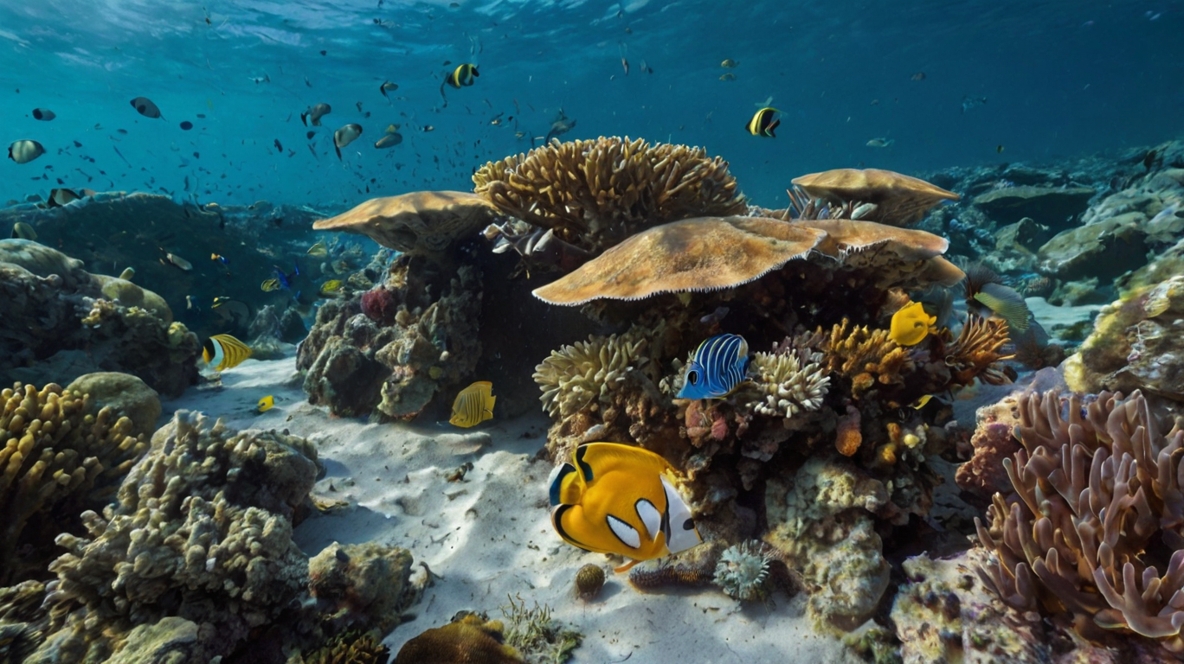
Coral reefs, often referred to as the “rainforests of the sea,” are particularly vulnerable to ocean warming. Corals thrive in a narrow temperature range, and even small increases in temperature can cause them to expel the symbiotic algae living within their tissues. This phenomenon is known as coral bleaching. Without the algae, corals lose their color and their primary source of food, leading to mass die-offs.
In 2024, coral bleaching events have become more frequent and severe, with entire coral ecosystems dying off in regions like the Great Barrier Reef and the Caribbean. This is not only devastating for the corals themselves but also for the countless species that rely on reefs for food, shelter, and breeding grounds. The loss of coral reefs leads to a collapse in the biodiversity of marine life in these regions, affecting everything from small fish to large predators.
2. Disruption of Marine Species Habitats
As ocean temperatures rise, many marine species are being forced to migrate to cooler waters. Fish, whales, and other marine mammals are shifting their ranges, often leaving ecosystems that have supported them for generations. For example, Pacific salmon populations are being impacted by warmer freshwater streams, forcing them to alter their migratory paths. Similarly, sea turtles, whose nesting sites are influenced by temperature, are facing difficulties in finding suitable beaches due to shifting climate patterns.
In 2024, the impact on migratory species is becoming more pronounced. In some areas, species that once thrived in local waters are either declining or disappearing altogether. The movement of species into new areas can also disrupt local ecosystems, leading to competition for resources and changes in food webs.
Ocean Acidification: The Silent Killer
Another significant and often overlooked effect of climate change on marine life is ocean acidification. The oceans absorb approximately one-quarter of the carbon dioxide (CO2) released into the atmosphere. As CO2 levels increase due to human activity, more of it dissolves into the ocean, forming carbonic acid. This lowers the pH of seawater, making it more acidic.
Acidification has a particularly harmful impact on marine organisms that rely on calcium carbonate to build shells and skeletons, such as shellfish, coral reefs, and plankton. In 2024, research indicates that ocean acidity has reached levels not seen in at least 14 million years, and the effects are becoming increasingly evident.
- Shellfish such as oysters, clams, and mussels are struggling to develop their shells in more acidic waters. This weakens their ability to survive and reproduce, leading to declines in these species.
- Plankton, the base of the marine food web, are also at risk. The acidity impairs the ability of plankton species like foraminifera and coccolithophores to form their calcium carbonate shells. This threatens not only these organisms but also the many species that rely on them for food, including fish, whales, and even seabirds.
Effects on Marine Food Chains
The impacts of ocean warming and acidification are reverberating through marine food chains. In 2024, research shows that the zooplankton populations, which form a critical link between plankton and larger predators, are declining in some regions due to warmer waters and increased acidity. As a result, species that depend on plankton, such as small fish, are facing food shortages.
Larger predators, such as tuna, sharks, and whales, are also feeling the effects of these disruptions. As fish populations decline or shift their range, predators are being forced to adapt, migrate, or face starvation. These disruptions to marine food webs have far-reaching consequences, not only for the health of marine ecosystems but also for global fishing industries and coastal communities that rely on seafood.
Increased Frequency of Extreme Weather Events
In 2024, the frequency and intensity of extreme weather events, such as hurricanes, typhoons, and cyclones, have also increased due to climate change. These events have a direct impact on marine life, particularly in coastal and shallow-water ecosystems like coral reefs and mangroves. The powerful storms stir up sediment and cause physical damage to marine habitats, making it harder for organisms to survive.
In addition to physical damage, extreme weather events also result in freshwater influxes that alter salinity levels in estuaries and coastal regions. This sudden change in salinity can be harmful to species that are not adapted to such fluctuations, leading to further disruption in marine biodiversity.
The Role of Conservation and Research in Protecting Marine Life
While the effects of climate change on marine life are undeniable, efforts to mitigate the damage and protect ocean ecosystems are ongoing. In 2024, researchers and conservationists are working tirelessly to develop solutions that will help safeguard marine biodiversity:
- Marine protected areas (MPAs) are being expanded in an attempt to preserve vulnerable ecosystems like coral reefs and seagrass meadows.
- Coral restoration projects are underway, with scientists experimenting with coral species that are more resistant to warmer waters and acidification.
- Sustainable fisheries management practices are being implemented to prevent overfishing and allow fish populations to recover.
Additionally, the global push for reducing carbon emissions is crucial to slowing the rate of climate change and, consequently, the degradation of marine ecosystems. The 2024 United Nations Climate Change Conference (COP29) has brought increased attention to the need for protecting oceans and marine biodiversity as part of the fight against climate change.