




















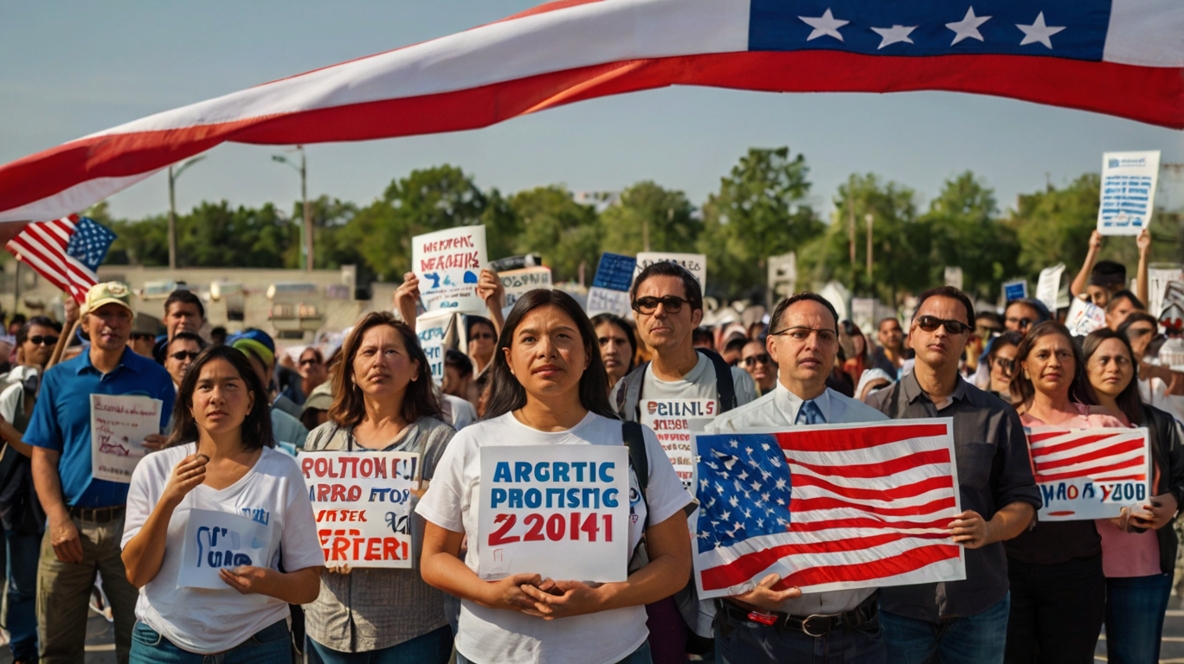
Immigration reform has always been a deeply polarizing issue in politics, and in 2024, it remains at the forefront of national debates, particularly in the United States. With political, economic, and humanitarian factors driving the conversation, the future of immigration policy is being hotly contested across party lines. The question of how to balance national security, economic growth, and the rights of immigrants has never been more urgent, with policymakers, activists, and citizens all pushing for change.
In this article, we will explore the current state of immigration reform in 2024, the political debates shaping the issue, and the proposed policies that could reshape how countries approach immigration in the coming years.
1. The U.S. Immigration Reform Debate: Key Issues in 2024
In 2024, immigration reform in the U.S. is once again a critical issue, driven by political pressure, social movements, and changing demographic realities. The political landscape is charged with partisan divisions, as both parties offer contrasting visions for immigration policy.
Key Issues in the U.S. Immigration Reform Debate:
- Border Security vs. Pathway to Citizenship: One of the most contentious aspects of U.S. immigration reform is how to balance border security with providing a pathway to citizenship for undocumented immigrants. The Republican Party generally focuses on strengthening border security and limiting access to citizenship, while the Democratic Party advocates for comprehensive immigration reform that includes amnesty and DACA (Deferred Action for Childhood Arrivals) protections for undocumented immigrants.
- Temporary Protected Status (TPS) and Refugee Resettlement: The Biden administration has made strides in restoring protections for immigrants with TPS, but challenges remain around the long-term solutions for asylum seekers, refugees, and migrants coming from conflict zones.
- Labor Immigration and Economic Impact: Both parties agree on the importance of immigration for the economy, especially in industries like agriculture, tech, and healthcare. However, the debate over whether to prioritize highly skilled workers or to support low-wage migrant labor remains unresolved.
Political Influence in 2024:
The debate over immigration reform is not just a policy issue; it is a political weapon in the hands of both Republicans and Democrats. Immigration policies are central to the 2024 presidential election, with key swing states, particularly in the Southwest and Midwest, looking to politicians for solutions to rising tensions around illegal immigration and economic challenges.
- Example: In Texas and Arizona, where large immigrant populations reside, candidates are under intense pressure to take a stance that balances security and humanitarian concerns. The issue of border control vs. immigrant rights could play a decisive role in these battleground states.
2. Global Immigration Policies and Political Consequences
While the U.S. remains a focal point for immigration reform debates, global immigration policies are also experiencing significant shifts in 2024. Countries in Europe, Latin America, and Asia are reevaluating their immigration laws in response to economic crises, conflict, and climate change. The political consequences of these policies are reverberating around the world, with major implications for national elections and international relations.
Key Global Trends in Immigration Reform in 2024:
- European Union Immigration Strategy: The EU continues to grapple with the political fallout from the migrant crisis that began in 2015. In 2024, the bloc is focused on reforming its asylum system to better manage migrants from war-torn regions such as Syria, Afghanistan, and Africa. The migration pact has sparked debates on solidarity and burden-sharing between member states, with some countries, like Hungary and Poland, opposing mandatory quotas for refugees.
- Latin America’s Migrant Crisis: In Latin America, political instability and economic challenges have led to a rise in migration, particularly to the U.S. and Mexico. In countries like Venezuela, Honduras, and El Salvador, record numbers of people are fleeing poverty, violence, and environmental disasters, putting pressure on neighboring nations to reform immigration policies.
- Asia-Pacific Migration Issues: In the Asia-Pacific region, countries like Australia and South Korea are dealing with labor shortages, which are prompting changes to immigration laws to attract skilled workers. At the same time, countries like Myanmar and Bangladesh are managing refugee populations displaced by ongoing conflicts and natural disasters.
Political Influence Globally:
The issue of immigration reform is shaping political landscapes worldwide. In many countries, immigration has become a highly charged political issue, with populist and right-wing parties pushing for stricter borders and tougher policies, while more liberal factions advocate for human rights and open borders.
- Example: In Hungary, Prime Minister Viktor Orbán’s government continues to face criticism for its hardline stance on immigration, particularly in the context of EU’s refugee relocation plans. Similarly, Italy has seen immigration become a central issue in national politics, with the rise of the far-right calling for stronger border controls and limited asylum claims.
3. The Economic and Social Impacts of Immigration Reform
One of the primary arguments in the immigration reform debate is the economic impact of immigrants. While opponents of open immigration policies often cite the strain on public resources and job markets, proponents argue that immigrants play a crucial role in economic growth, entrepreneurship, and labor force sustainability.
Economic Contributions of Immigrants:
- Labor Force Needs: Immigrants often fill vital positions in industries like agriculture, construction, healthcare, and technology. As countries face aging populations and labor shortages, immigrants help sustain growth and productivity, particularly in high-demand sectors.
- Entrepreneurship and Innovation: Immigrants also contribute to economic growth by founding businesses, creating jobs, and driving innovation. Countries with more open immigration policies, like Canada, have seen immigrants contribute disproportionately to entrepreneurship.
- Tax Contributions: In the U.S., immigrants contribute significantly to the tax base, paying taxes that fund public services, social security, and Medicare. Studies show that immigrants contribute more in taxes than they consume in public benefits.
Political Impact:
Economists and policymakers alike are recognizing the need for balanced immigration reform that considers both the economic benefits of immigration and the concerns of local communities regarding job competition, welfare use, and cultural integration. Politicians who understand the economic role of immigrants are more likely to push for pro-immigration policies, while those focused on national security and cultural cohesion often advocate for stricter immigration controls.
- Example: In Canada, the immigration policy is seen as a key driver of economic success, with Prime Minister Justin Trudeau positioning immigration as essential to economic prosperity and demographic sustainability. Conversely, countries like Australia and Denmark have been pushing for more selective, skills-based immigration to attract high-value talent while limiting unskilled labor migration.
4. The Humanitarian Side of Immigration Reform: Protecting Refugees and Asylum Seekers
While economic concerns often dominate the political debate, the humanitarian aspect of immigration reform cannot be overlooked. In 2024, there are still millions of refugees and asylum seekers who are fleeing war, persecution, and climate change-related disasters. How countries treat these individuals will shape their global reputation, influence political discourse, and impact international relations.
Key Humanitarian Considerations:
- Refugee Protection: The United Nations High Commissioner for Refugees (UNHCR) reports that the number of refugees and asylum seekers globally remains at historic highs. Countries that offer asylum have faced political backlash from anti-immigrant factions, but many advocates continue to push for robust protections and safe resettlement programs.
- Climate Change and Migration: Environmental migrants are becoming a significant factor in global immigration debates. Climate-related events such as droughts, floods, and wildfires are displacing millions, creating new challenges for immigration systems worldwide.
- Human Rights and Family Reunification: Advocates argue for humane immigration policies that prioritize family reunification and the protection of vulnerable groups such as children, LGBTQ individuals, and those fleeing gender-based violence.
Political Impact:
Humanitarian concerns are influencing immigration policy discussions, particularly in European and North American elections. The rise of human rights activism and calls for compassionate immigration reform are pitting progressive factions against more nationalist governments.
- Example: In Germany, Chancellor Olaf Scholz is balancing immigration reforms with a focus on human rights, amidst growing pressure from far-right groups to tighten borders.