




















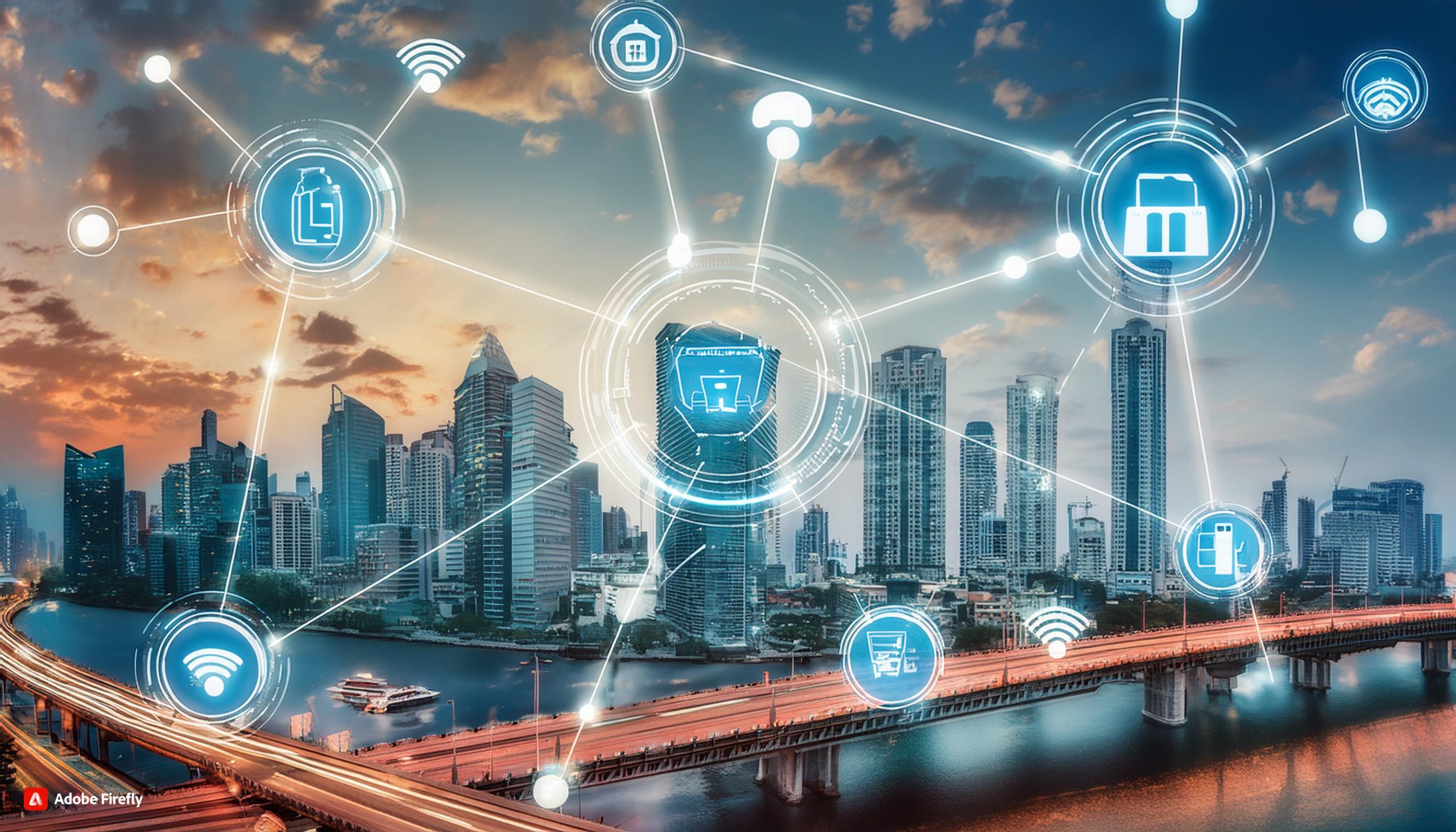
Urban living is undergoing a transformation like never before. The rise of smart cities, driven by advanced technology, is redefining how we live, work, and interact in urban environments. From efficient energy management to intelligent transportation systems, smart cities are leveraging cutting-edge technologies to create more sustainable, livable, and efficient urban spaces.
What are Smart Cities?
Smart cities utilize information and communication technology (ICT) to enhance the quality, performance, and interactivity of urban services, reduce costs, and optimize resource consumption. The integration of IoT (Internet of Things) devices, big data analytics, and AI (Artificial Intelligence) plays a crucial role in achieving these objectives.
Key Features of Smart Cities
- Smart Infrastructure: Smart cities are built on robust infrastructure that supports high-speed internet, sensor networks, and data centers. This infrastructure is essential for real-time data collection and processing, enabling city managers to make informed decisions.
- Sustainable Energy Management: Smart grids, solar panels, and energy-efficient buildings are hallmarks of smart cities. These technologies help reduce carbon footprints and promote sustainable energy use. Real-time monitoring of energy consumption allows for better resource management and reduced wastage.
- Intelligent Transportation Systems: Traffic congestion and pollution are significant issues in urban areas. Smart cities employ intelligent transportation systems that include smart traffic lights, real-time traffic monitoring, and autonomous vehicles. These systems enhance mobility, reduce travel time, and improve air quality.
- Smart Governance: E-governance platforms and mobile applications provide citizens with easy access to public services and information. This transparency fosters trust and engagement between citizens and their governments.
- Public Safety and Security: Advanced surveillance systems, predictive policing, and emergency response systems contribute to safer urban environments. Real-time data analysis helps law enforcement agencies prevent crimes and respond swiftly to emergencies.
How Technology is Shaping Urban Living
1. Enhancing Quality of Life
Smart cities aim to improve the overall quality of life for their residents. With technologies like smart healthcare systems, residents can access telemedicine services, real-time health monitoring, and emergency alerts. Smart buildings equipped with automated systems enhance comfort and reduce energy costs.
2. Environmental Sustainability
Technology in smart cities plays a vital role in promoting environmental sustainability. Smart waste management systems, for instance, use sensors to monitor waste levels in bins and optimize collection routes, reducing fuel consumption and emissions. Green building technologies and urban green spaces also contribute to a healthier environment.
3. Economic Growth
The adoption of smart technologies fosters economic growth by attracting businesses and investors. High-speed internet and advanced communication networks create opportunities for innovation and entrepreneurship. Moreover, the efficiency gains from smart infrastructure translate into cost savings for both businesses and governments.
4. Improved Mobility
Urban mobility is significantly enhanced in smart cities. Real-time data from GPS and sensors enables dynamic traffic management, reducing congestion and improving public transportation efficiency. Ride-sharing services and autonomous vehicles further enhance the convenience and safety of urban travel.
5. Social Connectivity
Smart cities promote social connectivity through digital platforms that facilitate community engagement and interaction. Mobile apps and social media channels allow residents to participate in city planning, report issues, and access local events and services. This connectedness strengthens community bonds and enhances civic participation.
Challenges and Future Prospects
While the benefits of smart cities are numerous, there are also challenges to address. Data privacy and security are paramount concerns, as the extensive use of sensors and data collection can potentially infringe on individual privacy. Additionally, the high costs associated with implementing smart technologies can be a barrier for some cities.
Looking ahead, the future of smart cities is promising. As technology continues to evolve, we can expect even more innovative solutions to emerge. Integration of 5G networks, AI-driven urban planning, and advanced robotics will further enhance the capabilities of smart cities.