




















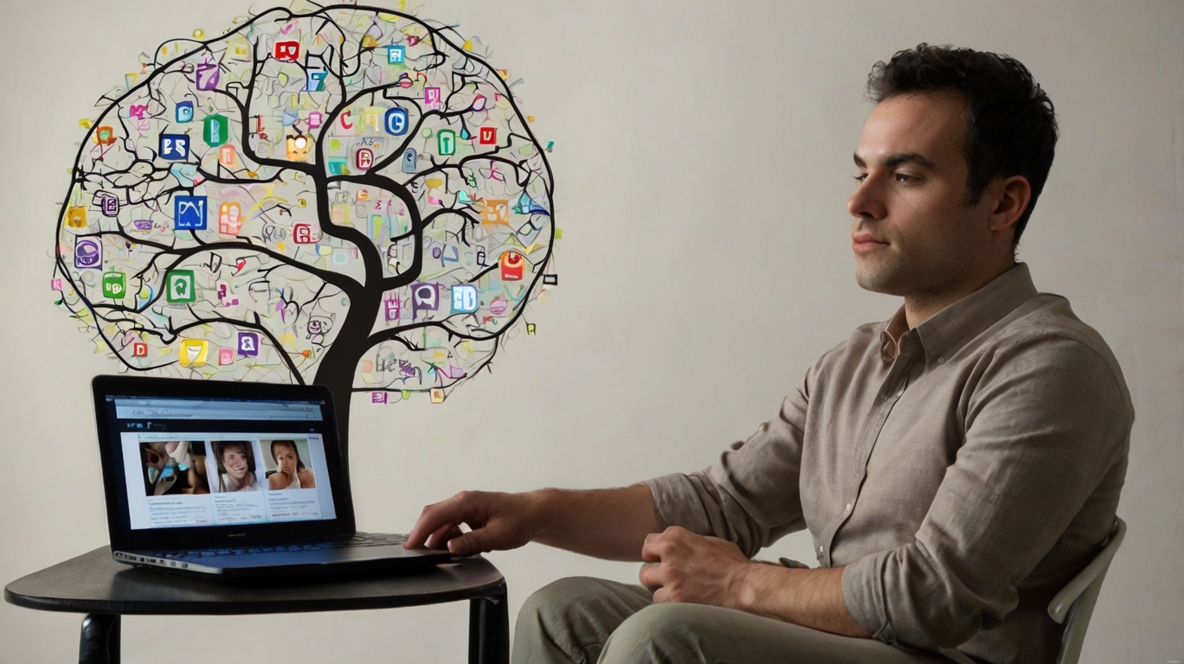
In today’s digital age, The Interplay Between Technology and Mental Health has transformed almost every aspect of our lives, from how we communicate to how we work and entertain ourselves. While the convenience and connectivity it offers are undeniable, the growing reliance on technology also brings challenges to our mental health. Understanding this interplay between technology and mental health is key to navigating the digital world without compromising psychological well-being.
The Positive Side of Technology and Mental Health
- Access to Mental Health Resources
- Teletherapy and Online Counseling: One of the most significant benefits of technology is the accessibility of mental health services. Platforms like Talkspace and BetterHelp have made therapy available to millions, breaking geographical and financial barriers.
- Mental Health Apps: Apps such as Headspace, Calm, and Moodfit are designed to help manage anxiety, depression, and stress. These digital tools offer mindfulness exercises, mood tracking, and guided meditations, contributing positively to mental health.
- Social Connectivity
- Technology allows us to maintain relationships across great distances. Social media platforms, messaging apps, and video calls have enabled people to stay in touch with friends and family, promoting social support, which is crucial for mental health.
- Awareness and Education
- The digital world provides a wealth of information on mental health issues. Websites, blogs, and podcasts help spread awareness, educate the public, and reduce the stigma surrounding mental health challenges.
The Negative Impact of Technology on Mental Health
- Increased Anxiety and Stress
- Constant Connectivity: Being constantly connected through smartphones and devices can contribute to feelings of anxiety. Notifications, emails, and the pressure to stay updated in real-time can create stress and interfere with mental peace.
- Social Media Pressure: While social media can help maintain relationships, it can also breed feelings of inadequacy. The comparison culture, filtered images, and the pressure to present a “perfect life” can lead to low self-esteem, anxiety, and even depression.
- Digital Overload and Mental Fatigue
- Information Overload: We live in an era of endless information. Scrolling through social media feeds, reading articles, or binge-watching content can overwhelm our brains, leading to cognitive fatigue and burnout.
- Screen Time and Sleep Disruption: Excessive screen time, especially before bedtime, can disrupt sleep patterns. The blue light emitted from screens inhibits melatonin production, leading to poor sleep quality, which directly impacts mental health.
- Isolation and Loneliness
- Ironically, while technology keeps us connected, it can also lead to feelings of isolation. The quality of virtual interactions often lacks the emotional depth of face-to-face communication, and some individuals may retreat from in-person socializing in favor of online interactions, exacerbating loneliness.
The Psychological Effects of Digital Life
The effects of technology on mental health are nuanced. It can help or hinder depending on how we use it. The rise of digital life has changed the way our brains process information and how we manage emotional well-being. According to psychology experts, the key lies in maintaining a healthy balance.
Tips to Balance Technology and Mental Health
- Set Boundaries: Create designated tech-free zones or times, such as during meals or an hour before bed. This allows your mind to relax and focus on the present moment.
- Limit Social Media Use: Use social media mindfully by curating your feed and avoiding excessive scrolling. Unfollow accounts that trigger negative emotions and seek out content that inspires positivity and growth.
- Prioritize In-Person Interactions: Make time for face-to-face conversations and activities that foster meaningful connections, as they are critical for emotional well-being.
- Use Technology for Good: Leverage apps and tools that promote relaxation, mindfulness, and stress management. Opt for online platforms that support mental health rather than those that detract from it.
- Monitor Screen Time: Many devices now offer built-in screen time monitoring tools. Use these to track your usage and make adjustments when necessary.