




















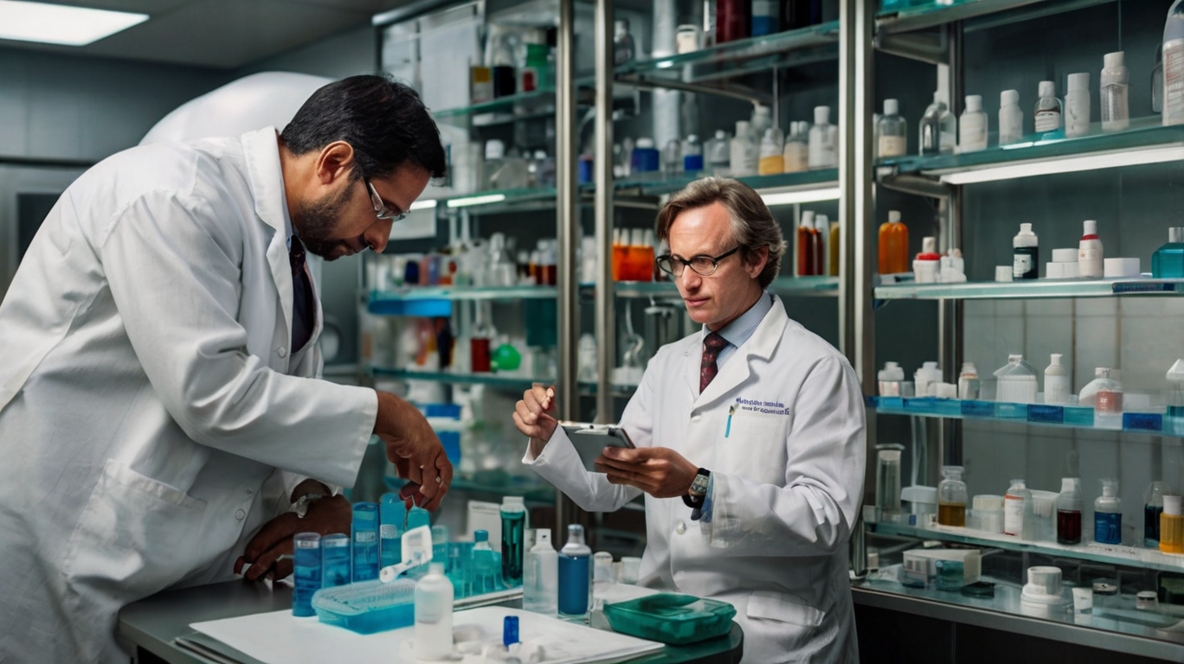
The Evolution of Antibiotics have been one of the most revolutionary advances in medical science, saving millions of lives by combating bacterial infections. However, their journey has not been without challenges. From the early discovery of penicillin to the modern-day issue of antibiotic resistance, the evolution of antibiotics continues to shape healthcare and medical research. In this article, we’ll explore how antibiotics have developed, the obstacles faced by modern medicine, and the innovations driving future health solutions.
The Discovery of Antibiotics: A Medical Breakthrough
The history of antibiotics began in 1928 when Alexander Fleming discovered penicillin, the first true antibiotic. This groundbreaking discovery paved the way for the development of other antibiotics that transformed healthcare, making once-deadly infections treatable. Penicillin, along with other antibiotics that followed, became a cornerstone of modern medicine, drastically reducing mortality rates from bacterial infections.
By the 1940s, antibiotics were mass-produced and widely used, helping fight infections during World War II and beyond. The post-war period saw an increase in the development of new antibiotics, addressing a wide range of bacterial infections and opening the door for new treatments in surgery, wound care, and chronic illnesses.
The Rise of Antibiotic Resistance: A Growing Health Concern
Despite their success, antibiotics have faced a critical challenge—drug resistance. Over time, bacteria have evolved to survive exposure to antibiotics, leading to the development of antibiotic-resistant strains. The overuse and misuse of antibiotics in humans and animals have accelerated this process, making it increasingly difficult to treat common infections.
According to the World Health Organization (WHO), antibiotic resistance is one of the biggest threats to global health. Infections that were once easily treatable, such as pneumonia, tuberculosis, and urinary tract infections, are becoming harder to manage as drug-resistant bacteria spread. The medical community is facing a growing concern over the possibility of a “post-antibiotic era,” where minor infections could once again become life-threatening.
Addressing the Challenge: Innovations in Antibiotics and Health Science
Medical science has not remained static in the face of antibiotic resistance. Researchers and pharmaceutical companies are exploring new solutions to combat resistant bacteria and improve patient outcomes. Some of the most promising innovations include:
- Next-Generation Antibiotics
Scientists are developing new classes of antibiotics that can target resistant strains of bacteria. These next-generation drugs aim to be more effective against infections that no longer respond to traditional antibiotics. - Bacteriophage Therapy
One innovative approach to fighting bacterial infections is bacteriophage therapy, which uses viruses that infect and kill bacteria. This treatment, which predates antibiotics, is gaining renewed attention as an alternative to conventional antibiotics, particularly in cases where resistance is an issue. - Antibiotic Stewardship Programs
To combat misuse, healthcare organizations are implementing antibiotic stewardship programs. These initiatives promote the responsible use of antibiotics, ensuring that patients receive the right drug at the right dose for the right duration. By minimizing unnecessary prescriptions, these programs help reduce the development of resistant bacteria. - AI in Drug Discovery
Artificial intelligence (AI) is playing a key role in discovering new antibiotics. By analyzing vast datasets of molecular structures, AI algorithms can identify potential compounds with antibacterial properties, speeding up the drug discovery process. - CRISPR Gene Editing
The cutting-edge gene-editing technology CRISPR has shown potential in targeting antibiotic-resistant bacteria. By modifying bacterial DNA, CRISPR could one day be used to make harmful bacteria more vulnerable to treatment or prevent resistance from developing in the first place.
The Future of Antibiotics in Healthcare
The evolution of antibiotics is a dynamic and ongoing process. While drug resistance presents a significant challenge, ongoing research and health innovations offer hope. Continued investment in antibiotic research, combined with responsible usage, can help mitigate the impact of drug resistance and ensure that antibiotics remain an effective tool in fighting infections.
Public health initiatives, regulatory policies, and patient education also play essential roles in the future of antibiotics. By raising awareness about the importance of proper antibiotic use and supporting innovation in drug development, society can address the challenges of resistance and move toward a healthier future.