




















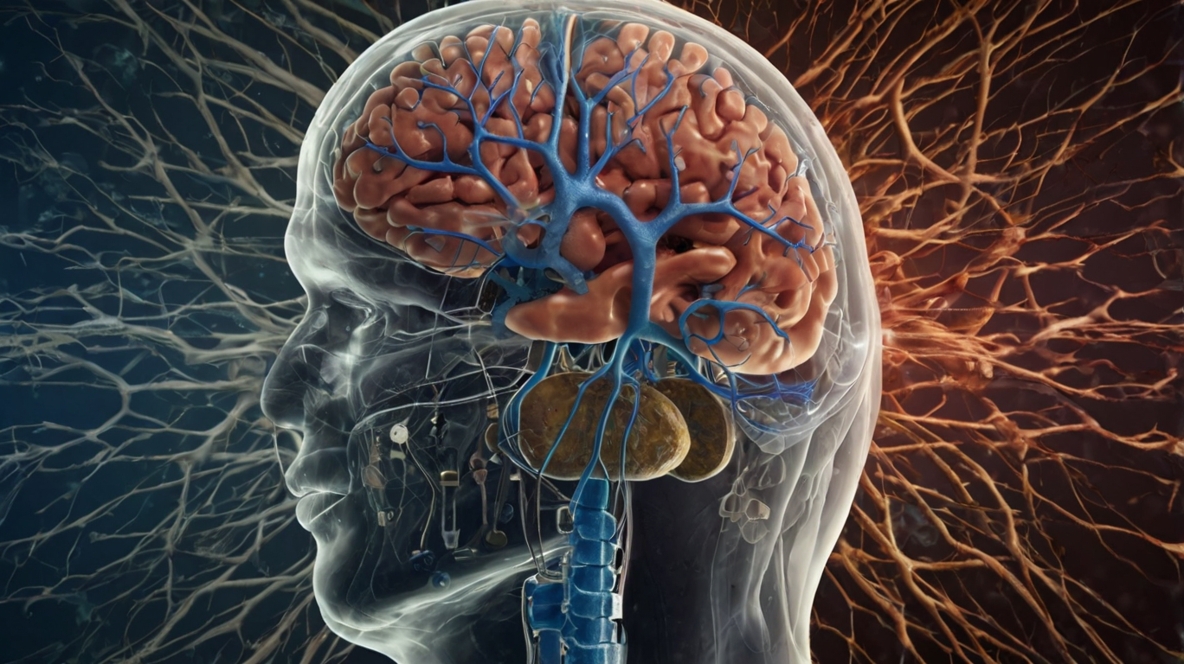
In the quest to understand what drives human actions, thoughts, and emotions, one field of study stands out—neuroscience. By exploring the complexities of the brain and nervous system, neuroscience sheds light on how human behavior is shaped by the intricate workings of our most vital organ. Combining insights from brain science and psychology, neuroscience provides a deeper understanding of why we behave the way we do. Let’s explore how neuroscience is unraveling the mysteries behind human behavior.
What is Neuroscience?
At its core, neuroscience is the scientific study of the nervous system, particularly the brain. It investigates how brain cells (neurons) communicate, how the brain processes information, and how these processes lead to the behaviors, emotions, and thoughts that define the human experience. Advances in brain imaging and neurotechnologies have expanded our knowledge, making it possible to explore brain science at a more intricate level than ever before.
How Neuroscience Unlocks Human Behavior
- Understanding Neural Pathways: Neuroscience allows us to map out the specific pathways in the brain that control everything from decision-making to emotional responses. Through studies, researchers can identify which parts of the brain activate during particular behaviors. For instance, the prefrontal cortex is heavily involved in decision-making, while the amygdala plays a key role in processing emotions like fear and aggression.
- The Role of Neurotransmitters: Neurotransmitters are chemicals in the brain that facilitate communication between neurons. Dopamine, serotonin, and other neurotransmitters directly affect our mood, motivation, and even our capacity to experience pleasure. Imbalances in these chemicals can lead to various behavioral issues, such as anxiety, depression, and addiction. Understanding these relationships helps explain why individuals might behave differently under similar circumstances.
- Brain Development and Behavior: Brain development plays a significant role in shaping behavior across different stages of life. Neuroscience reveals that the human brain continues to develop well into early adulthood, which affects risk-taking, emotional regulation, and social interactions. During adolescence, for example, the prefrontal cortex, which governs impulse control, is still developing, leading to the stereotypical “reckless” behavior seen in teenagers.
- The Neuroscience of Learning: Neuroscience has greatly impacted our understanding of how we learn. The plasticity of the brain—its ability to change and adapt in response to new experiences—explains how we acquire new skills and behaviors. This adaptability is particularly evident in early childhood but continues throughout life, allowing individuals to modify their behaviors based on new information or experiences.
- Psychological Insights: Psychology and neuroscience are closely linked, with psychology focusing on the study of behavior and mental processes. Neuroscience complements this by offering a biological perspective, showing how mental health issues like anxiety, depression, and even personality disorders arise from neurological factors. This integrative approach gives a fuller picture of what drives human behavior.
Applications of Neuroscience in Understanding Behavior
- Mental Health Treatment: Neuroscience has paved the way for more effective treatments for mental health disorders. Understanding the neurological basis of conditions like schizophrenia, bipolar disorder, and anxiety allows for targeted interventions, whether through medications that affect neurotransmitter levels or therapies that promote neuroplasticity.
- Education and Learning Strategies: Insights into how the brain learns and retains information are being used to optimize educational strategies. Neuroscience-based approaches to teaching can cater to different learning styles and cognitive strengths, making education more effective for diverse learners.
- Criminal Behavior and Rehabilitation: Neuroscience has even entered the realm of criminal justice. Research on brain activity in people with antisocial or violent tendencies is helping experts understand the neurological factors that contribute to criminal behavior. This knowledge may lead to rehabilitation programs that focus on modifying harmful neural pathways.
- Consumer Behavior and Marketing: Businesses are using neuroscience to tap into consumer behavior by understanding how the brain responds to advertising, product design, and purchasing decisions. This field, known as neuromarketing, uses brain science to predict consumer preferences and behavior, shaping more effective marketing strategies.
The Future of Neuroscience and Human Behavior
As technology and research methods improve, the potential for neuroscience to unlock even more about human behavior grows. In the future, we may gain a better understanding of complex behaviors like consciousness, empathy, and creativity. We may also see breakthroughs in treating neurological disorders and enhancing brain function through advanced techniques like neurofeedback and brain-computer interfaces.