




















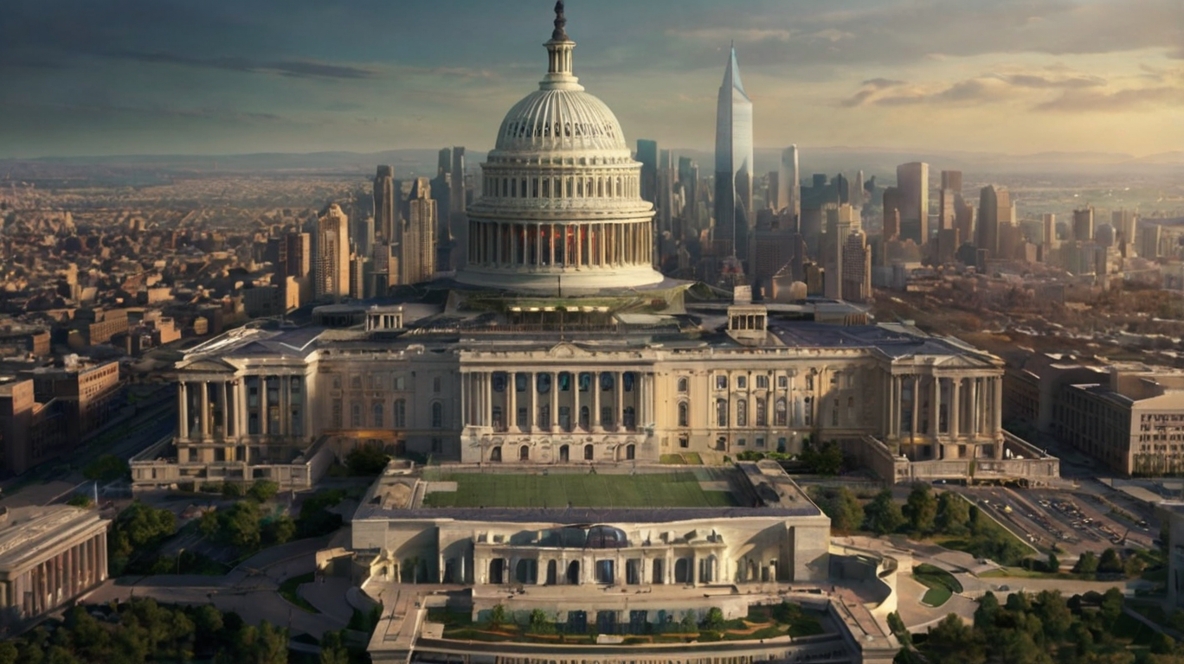
The Future of American Politics in 2024 landscape in the United States is set for major transformations in 2024, driven by new policy debates, technological advancements, and demographic shifts. As Americans prepare for a highly anticipated election year, the future of American politics in 2024 will not only impact domestic affairs but also shape the country’s position on the global stage. In this article, we explore the key political trends of 2024 and how they are likely to influence the future of the U.S. political scene.
1. The Influence of Emerging Voter Demographics
One of the biggest trends shaping the future of American politics is the evolving voter demographic. With younger generations, including Millennials and Gen Z, becoming a larger portion of the electorate, issues like climate change, social justice, and technology regulations are moving to the forefront of political discourse. These voters are more likely to prioritize progressive policies, potentially shifting both parties to adapt to new voter expectations.
As voter turnout from these demographics increases, expect politicians to shift their campaign strategies, focusing on policies that address issues like student debt, healthcare reform, and environmental sustainability.
2. The Role of Technology in Elections
Another key factor in American politics 2024 is the rising role of technology. From social media’s influence on political campaigns to concerns about cybersecurity and election interference, the impact of technology will be felt more than ever. AI-driven political campaigns, digital voter outreach, and blockchain voting are expected to play significant roles in the upcoming election cycle.
The use of artificial intelligence and data analytics is becoming more prevalent as campaigns seek to reach specific demographics more effectively. However, this also raises concerns about data privacy and the spread of misinformation, which may prompt new regulatory measures.
3. Polarization and Political Discourse
The future of American politics continues to be marked by deep polarization. The divide between political ideologies shows no sign of narrowing, with major policy debates surrounding immigration, healthcare, and gun control expected to fuel tensions. This polarization affects not only voting patterns but also the way political discourse is carried out on media platforms and in everyday conversations.
Efforts toward bipartisanship may be critical in 2024, but the current political climate suggests continued gridlock in Congress, making it challenging to pass significant legislation. As a result, voters may see more executive orders and actions at the state level to push forward key initiatives.
4. The Economy and the Political Agenda
Economic issues will likely dominate political trends in 2024, especially as inflation, housing affordability, and wage stagnation continue to affect everyday Americans. The handling of economic policies by both political parties could be a deciding factor in the 2024 elections.
Policies such as wealth redistribution, corporate taxation, and financial regulation may shape party platforms, with populism continuing to resonate with many voters who feel left behind by traditional economic structures.
5. Global Influence and Foreign Policy
In an increasingly interconnected world, the future of politics in 2024 will also be shaped by how the U.S. interacts with other global powers. The country’s stance on foreign relations with China, Russia, and the European Union will be under scrutiny. Issues such as trade policies, cybersecurity, and climate agreements will play key roles in shaping foreign policy debates, potentially influencing domestic elections as well.
International relations will also impact domestic economic strategies, with trade and global cooperation becoming central to discussions around job creation and economic growth.