




















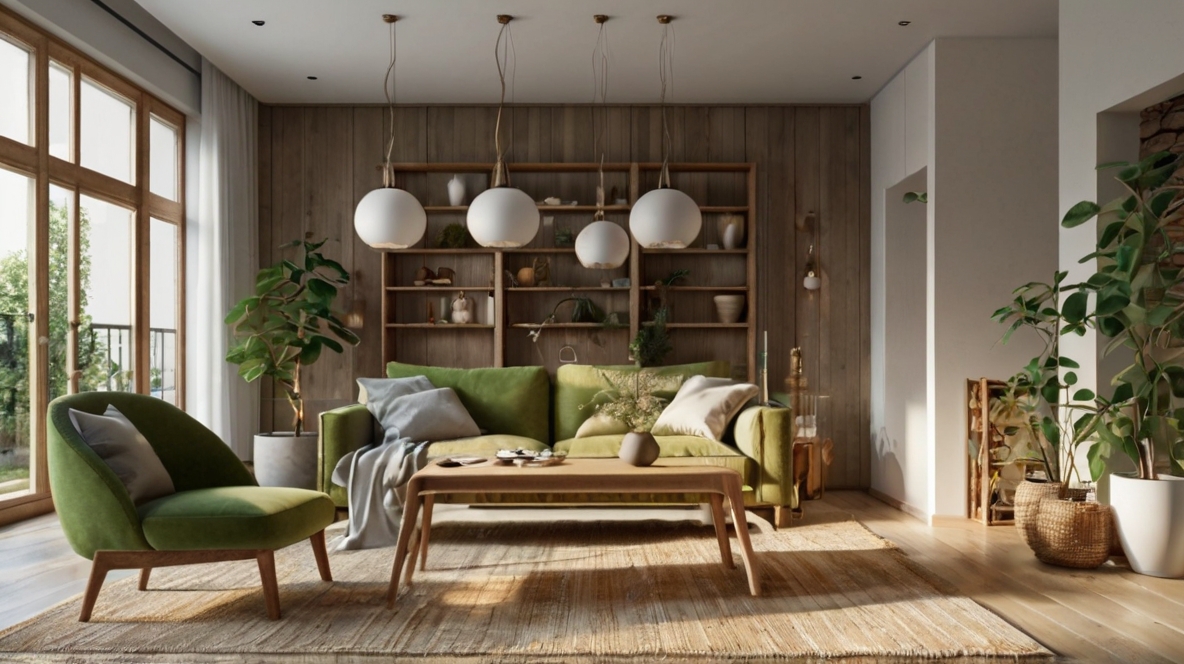
As awareness about environmental issues grows, more people are seeking ways to create an eco-friendly home that aligns with green living principles. Whether you’re looking to reduce your carbon footprint, save money on utilities, or create a healthier living environment, transforming your space into a sustainable home is easier than you might think. Here are some practical tips to help you embrace a greener lifestyle.
1. Energy Efficiency: A Cornerstone of a Sustainable Home
Energy efficiency is a key component of any eco-friendly home. Start by replacing traditional incandescent bulbs with LED lights, which consume significantly less energy and last longer. Installing a programmable thermostat can also help manage energy use, allowing you to reduce heating and cooling when you’re not at home.
Additionally, consider investing in energy-efficient appliances. Look for the ENERGY STAR label, which indicates that the appliance meets high standards for energy efficiency. These appliances may have a higher upfront cost, but they save money in the long run by lowering your energy bills.
2. Water Conservation: Protecting a Precious Resource
Water conservation is essential for creating a sustainable home. Install low-flow showerheads and faucets to reduce water usage without sacrificing performance. Dual-flush toilets are another great option, offering different flush settings for liquid and solid waste, thus saving water with every use.
In the garden, opt for native plants that require less water and maintenance. Drip irrigation systems can efficiently water plants while minimizing waste. Collecting rainwater in barrels for outdoor watering needs is another simple and effective way to conserve water.
3. Sustainable Materials: Building an Eco-Friendly Home
When it comes to building or renovating your home, choose sustainable materials that have a lower environmental impact. Reclaimed wood, bamboo, and cork are excellent options for flooring and furniture. These materials are not only eco-friendly but also add unique character and warmth to your home.
For insulation, consider eco-friendly alternatives like recycled denim or cellulose insulation made from recycled paper. These materials provide excellent thermal performance while being more sustainable than traditional options like fiberglass.
4. Indoor Air Quality: Breathing Easier in a Green Living Space
Improving indoor air quality is crucial for a healthy and eco-friendly home. Avoid using paints and finishes that emit volatile organic compounds (VOCs), which can harm both your health and the environment. Instead, opt for low-VOC or VOC-free products.
Houseplants are another great way to enhance indoor air quality. Plants like snake plants, spider plants, and peace lilies are known for their air-purifying abilities. Not only do they help filter out toxins, but they also add a touch of natural beauty to your living space.
5. Waste Reduction: Less is More in a Sustainable Home
Reducing waste is a fundamental principle of green living. Start by minimizing single-use plastics in your home. Opt for reusable shopping bags, water bottles, and food storage containers. Composting organic waste is another effective way to reduce the amount of waste sent to landfills while creating nutrient-rich soil for your garden.
When shopping for household items, choose products with minimal packaging or packaging made from recycled materials. Support companies that prioritize sustainability and offer eco-friendly alternatives.
6. Renewable Energy: Powering Your Eco-Friendly Home
Incorporating renewable energy sources is a powerful way to make your home more sustainable. Solar panels are a popular option, allowing you to generate electricity from the sun and reduce your reliance on fossil fuels. While the initial investment can be substantial, many governments offer incentives and rebates to help offset the cost.
If solar panels aren’t feasible, consider purchasing green energy from your utility provider. Many companies offer programs that allow you to support renewable energy sources like wind and solar, even if you can’t install the technology at home.
7. Sustainable Landscaping: Extending Green Living to Your Yard
Your yard can be an extension of your eco-friendly home. Practice sustainable landscaping by using organic fertilizers and pesticides, which are safer for the environment and your family. Mulching your garden beds helps retain moisture, reducing the need for frequent watering.
Consider installing a rain garden, which is designed to absorb and filter rainwater, reducing runoff and improving water quality. Planting trees strategically around your home can also provide natural shade, helping to reduce cooling costs in the summer.