




















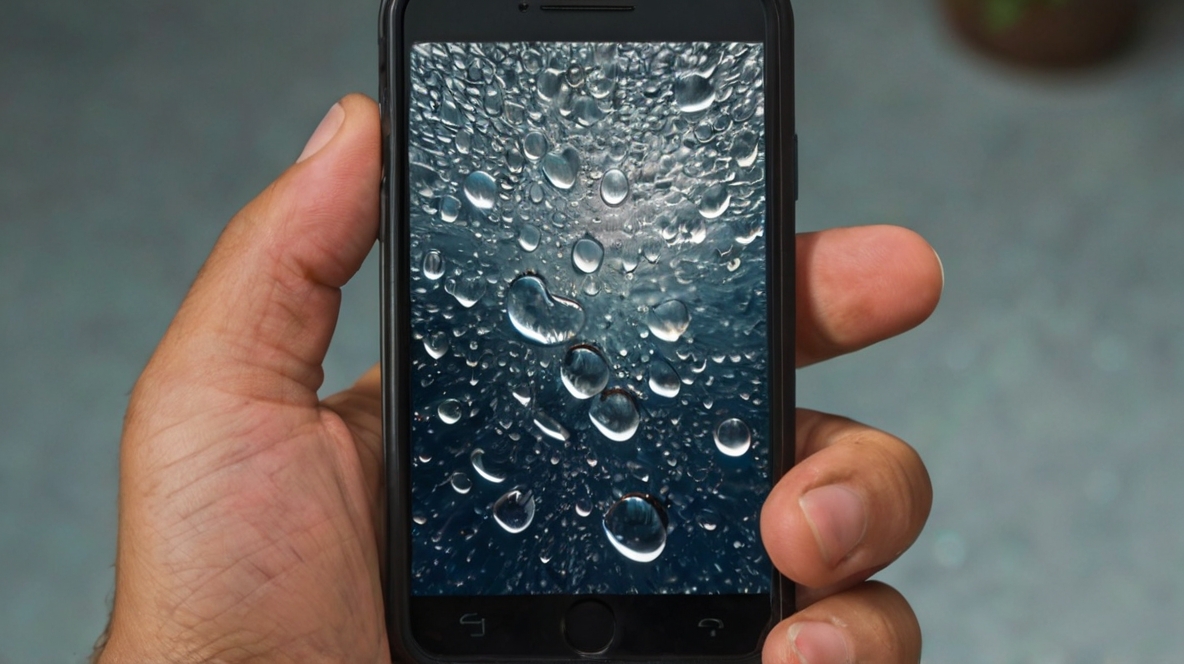
In today’s digital age, your Mobile Phone Screen Protection is more than just a communication device—it’s a lifeline. Whether you’re texting, browsing, or using apps, your phone is always in your hand. But with constant use comes the risk of damage, particularly to the screen. Understanding the best practices for phone screen protection is crucial to ensure your device stays in top shape. This guide will explore the most effective methods for preventing screen cracks and protecting your mobile screen from everyday wear and tear.
Why Phone Screen Protection Matters
Your phone’s screen is its most vulnerable part. A single drop or bump can lead to unsightly cracks, compromising the device’s functionality and aesthetics. Repairing or replacing a damaged screen can be expensive and time-consuming. That’s why taking proactive steps for phone screen care is essential.
1. Use a High-Quality Screen Protector
One of the simplest and most effective ways to protect your mobile screen is by using a screen protector. These thin layers of tempered glass or plastic shield your screen from scratches, smudges, and minor impacts. When selecting a screen protector, choose one specifically designed for your phone model to ensure a perfect fit.
Tempered glass screen protectors are particularly popular because they offer superior phone screen protection compared to plastic alternatives. They are durable, easy to install, and provide a smooth touch experience, almost identical to the phone’s original screen.
2. Invest in a Durable Phone Case
While screen protectors defend against scratches and minor impacts, a sturdy phone case offers broader protection. Look for a case that covers the edges and corners of your device, as these areas are most susceptible to damage during drops. A case with a raised bezel can also help in preventing screen cracks by ensuring the screen doesn’t come into direct contact with flat surfaces when placed face down.
There are various types of cases available, from slim and stylish to rugged and robust. Choose one that fits your lifestyle and offers the right balance of protection and aesthetics.
3. Avoid Extreme Temperatures
Your phone’s screen is sensitive to temperature extremes. Exposing it to direct sunlight, leaving it in a hot car, or subjecting it to freezing temperatures can weaken the screen, making it more prone to cracks. Always store your phone in a cool, dry place, and avoid using it in extreme weather conditions to ensure long-term phone screen care.
4. Handle with Care
It might sound obvious, but being mindful of how you handle your phone can go a long way in protecting your mobile screen. Avoid placing your phone in your back pocket, where it can be accidentally sat on, and keep it away from the edges of tables or counters where it could easily fall. Additionally, using two hands when operating your phone can reduce the chances of accidental drops.
5. Clean Your Screen Regularly
Dirt, dust, and oils from your fingers can accumulate on your screen, making it less responsive and more prone to scratches. Use a soft, microfiber cloth to gently clean your screen regularly. Avoid using harsh chemicals or abrasive materials that can damage the screen’s protective coating. Regular cleaning is a simple yet effective way to maintain your phone screen protection.
6. Be Cautious with DIY Repairs
If your screen does get damaged, resist the urge to attempt a DIY repair unless you are confident in your skills. DIY repairs can sometimes cause more harm than good, leading to further damage or voiding your warranty. Instead, take your device to a certified repair center where professionals can assess the damage and provide the appropriate fix.